The Climats du vignoble de Bourgogne joined the UNESCO World Heritage List on July 4, 2015. This guide to the Burgundy climats UNESCO site explains what a climat is, what the listing covers and how to see it on the ground.
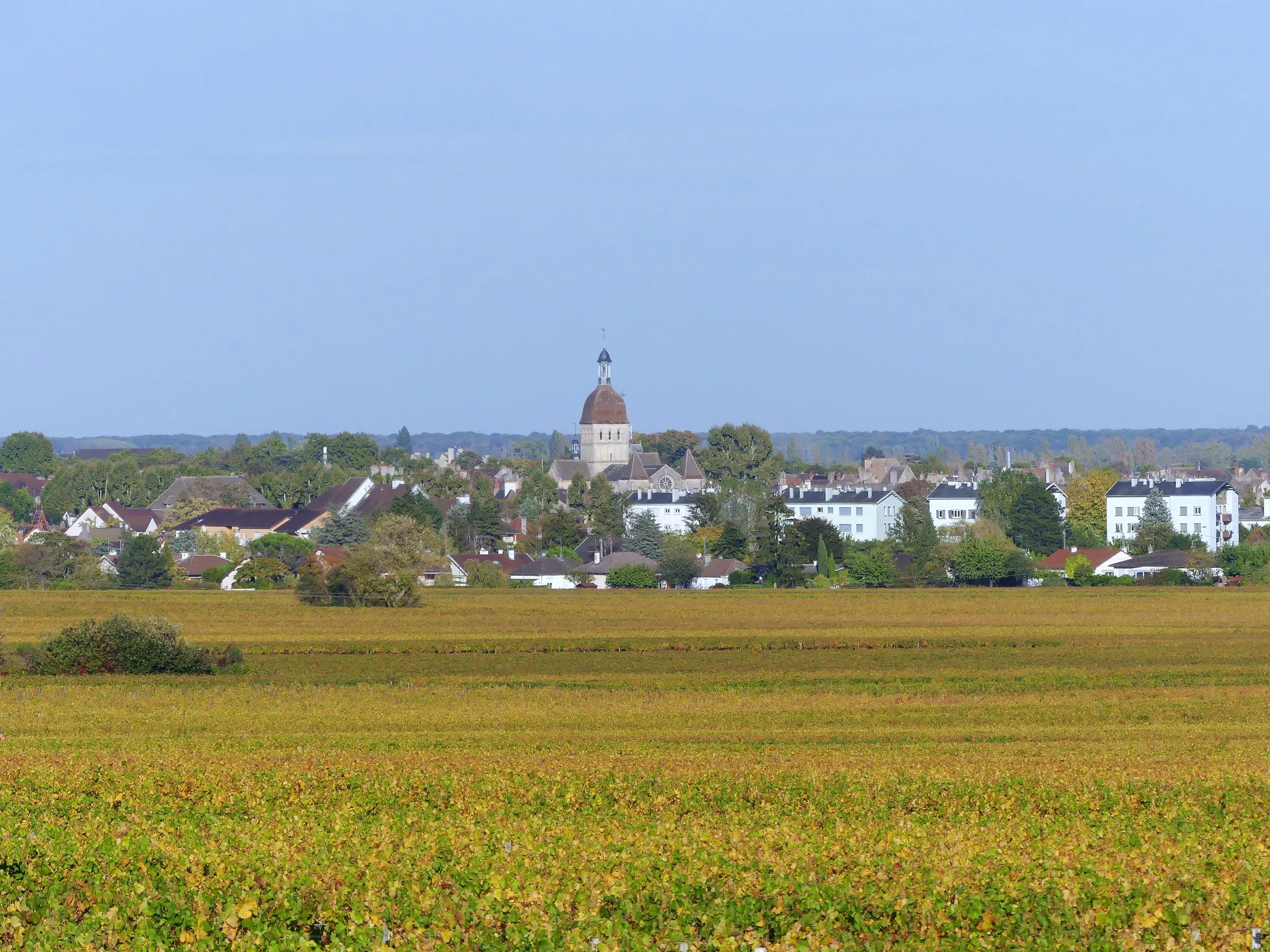
The listed vineyards run along the slopes of the Côte de Nuits and Côte de Beaune, from Dijon south through Beaune to the Maranges. The listing also takes in the historic center of Dijon and the town of Beaune.
For the wider region, see Burgundy.
What a climat is
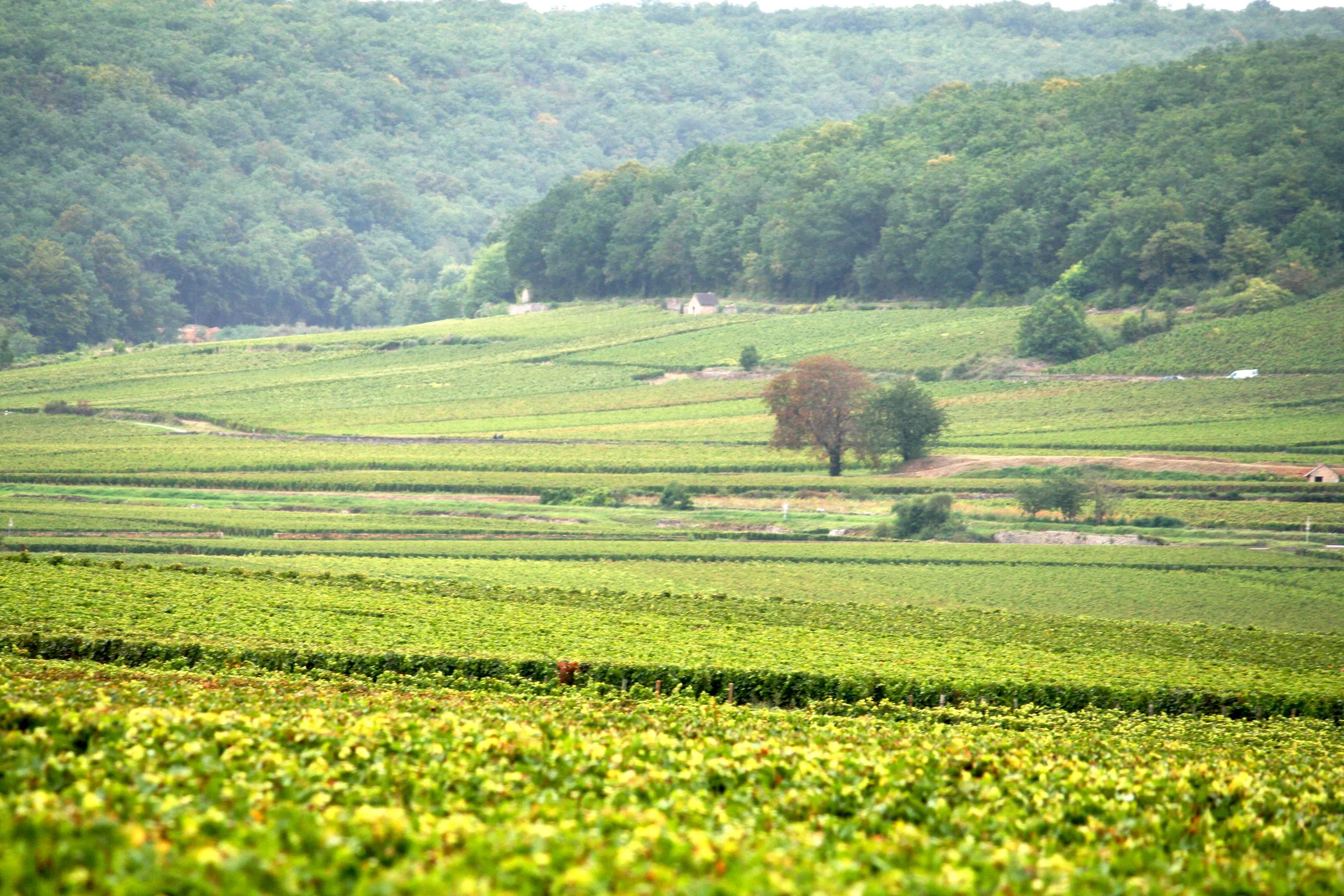
In Burgundy, a climat is a precisely marked-out and named vineyard plot, with its own geology and microclimate, defined over the centuries. The word refers to terroir, not weather.
Every climat is harvested and vinified separately, and its wines bear its name. Montrachet, Les Amoureuses, Les Perrières, Les Saint-Georges, Les Genevrières and Chambertin are all climats. The Climats association counts more than 1,500 from Dijon to Beaune and on to Les Maranges.
Each climat holds a place in the hierarchy of crus: Regional, Village, Premier Cru and Grand Cru. Bourgogne has 84 AOCs, including 33 Grand Cru AOCs. Grand Cru appellations make 1% of production by volume, and Régionale appellations 54%.
Each Climats wine comes from a single grape variety: pinot noir for reds and chardonnay for whites.
What you see in the vineyards
The vineyard landscape includes:
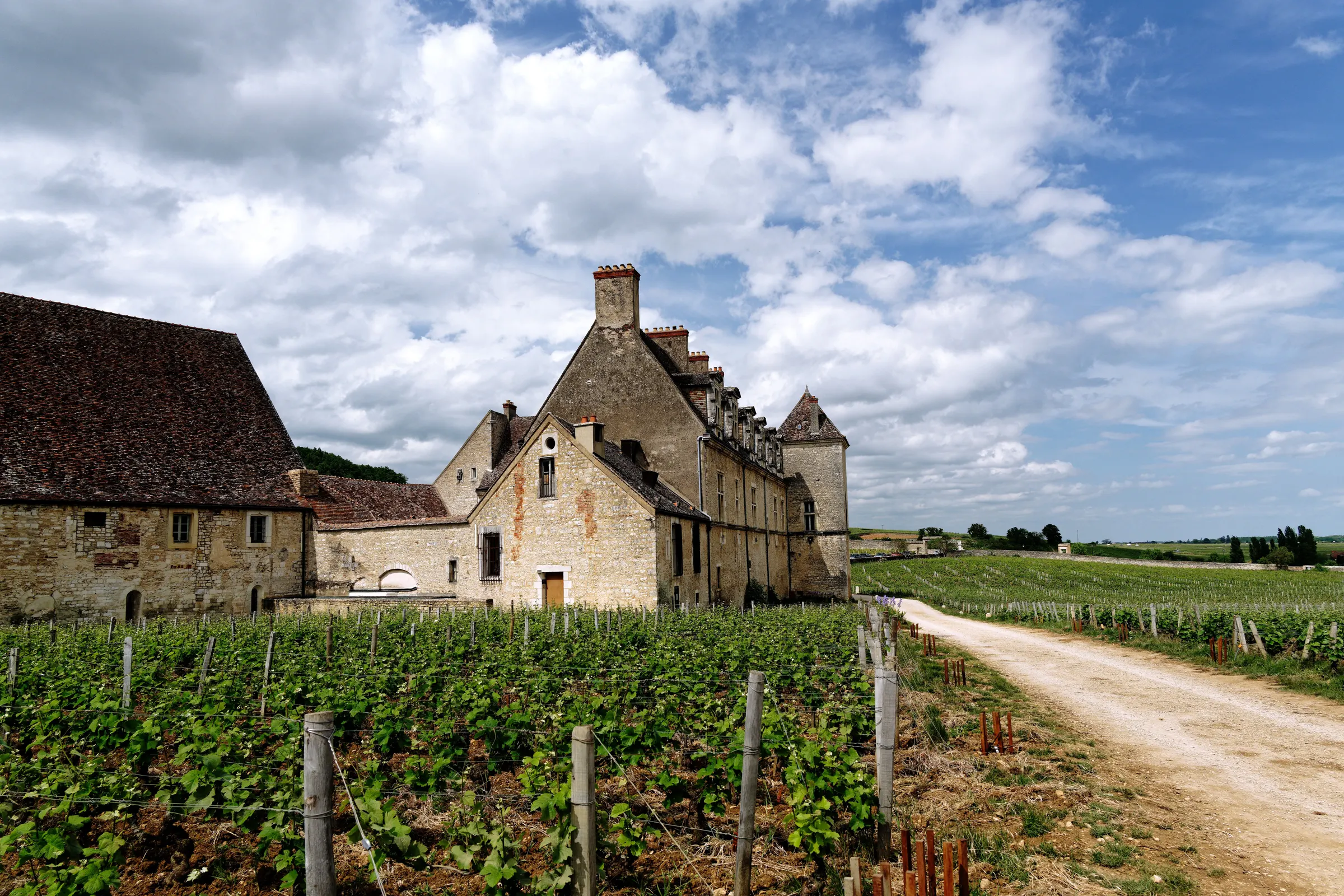
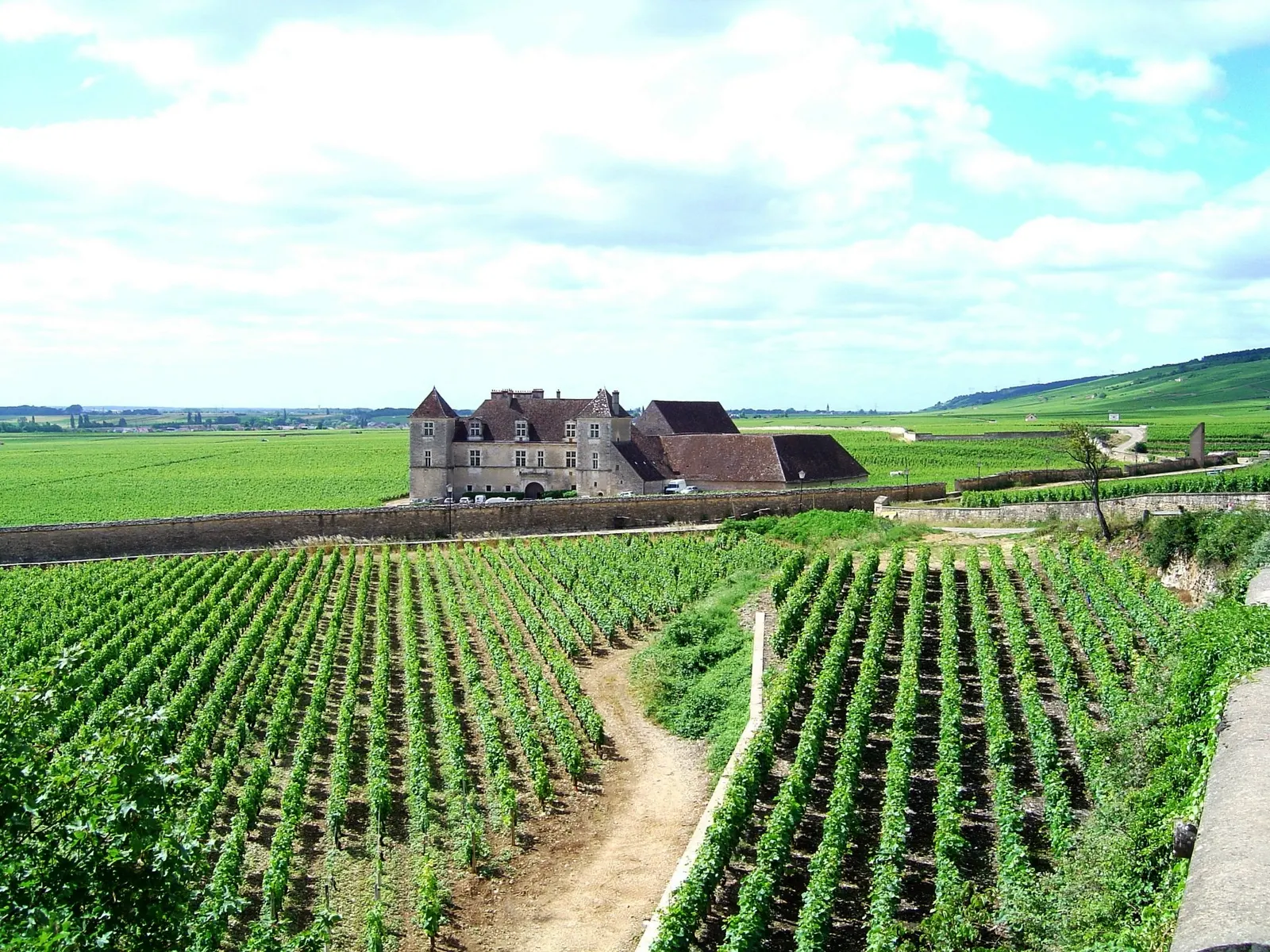
- Clos: vineyards enclosed by stone walls since the Middle Ages, such as the Clos de Vougeot.
- Dry-stone walls: they frame the landscape and hold the soil.
- Cabottes: winegrowers' stone huts, used for tools and as shelter in bad weather.
- Meurgers: piles of stones cleared from the land, which mark the boundaries between climats.
The 2015 listing
The World Heritage Committee inscribed the Climats at its 39th session, held in Germany, as a cultural landscape under criteria (iii) and (v).
UNESCO describes the vineyards as a series of small hills divided into 1,247 vineyard parcels, extending 50 km south of Dijon to Maranges. The listed area includes 40 municipalities, among them Beaune and Dijon.
The property has two parts:
- The vineyards, villages and Beaune. The vineyard parcels and their production units, the wine villages and the town of Beaune stand for the commercial side of the system.
- The historic center of Dijon. It embodies the political and regulatory drive that created the climats system.
Dijon's historic center
Dijon's historic center is a 97-hectare protected area whose boundary follows the line of the former medieval ramparts. The Palace of the Dukes dates from the era of the great dukes of Burgundy, between 1363 and 1477.
The palace houses the Fine Arts Museum, with the tombs of the Dukes of Burgundy. The Philippe le Bon Tower, 46 meters high, has 316 steps to a panoramic view of the city.
The Cité Internationale de la Gastronomie et du Vin stands at the first kilometer of the Route des Grands Crus. Its former hospital chapel, the Chapelle des Climats, holds a free exhibition on the Climats.
Beaune
The Hôtel-Dieu des Hospices de Beaune was founded in 1443 by Nicolas Rolin, chancellor of the Duke of Burgundy, and Guigone de Salins. It was a hospital until the early 1970s. Inside are the Salle des Pôvres and Rogier van der Weyden's Last Judgement polyptych, under the polychrome glazed-tile roof.
The Maison des Climats, in the Porte Marie de Bourgogne tourist office at 6 boulevard Perpreuil, is a free exhibition on the Climats and their listing. It has a digital fresco and a model of the Côte de Nuits and Côte de Beaune vineyards more than 9 meters long, plus a puzzle booklet for children aged 6 to 12.
The Cité des Climats et vins de Bourgogne, at 21 avenue Charles de Gaulle, hosts the main interpretation center for the Climats. Its 20-meter panoramic terrace, shop and Discovery Bar are free to enter.
Getting there
The fastest route from Paris is the direct TGV from Gare de Lyon to Dijon, in 1 hour 35 minutes. Beaune takes 2 hours 15 minutes, with a change to the TER in Dijon.
| Option | From | To | Time | Changes |
|---|---|---|---|---|
| TGV | Paris Gare de Lyon | Dijon | 1h35 | Direct |
| TGV and TER | Paris Gare de Lyon | Beaune | 2h15 | 1, in Dijon |
| Car | Paris | Beaune | 3h30 | — |
The fastest TER between Dijon and Beaune takes 18 minutes. Dijon-Ville station is about 15 minutes on foot from Dijon's historic center. See Dijon to Beaune and Paris to Beaune by train for the lines.
In Beaune, the Cité des Climats is a 25-minute walk from the station. Electric shuttles link the two in 5 minutes, and bus routes 2 and 5 serve the Cité.
Vougeot-Gilly-lès-Cîteaux station serves the Clos de Vougeot. For more stations and buses, see Burgundy without a car.
By car, the Cité in Beaune is 3 hours 30 minutes from Paris and 3 minutes from the A6/A31. It is 1 hour 45 minutes from Lyon; see Lyon Airport to Burgundy.
On the ground
The Route des Grands Crus is a 60 km marked route from Dijon to Santenay through 37 wine villages of the Côte de Nuits and Côte de Beaune, signed with brown signs and a white grape cluster. The Beaune tourist office recommends 3 to 4 days for the full route.
On foot, the Chemin des Grands Crus has 87 km of trails from Les Marcs-d'Or to Santenay, through Grand Cru vineyards and past cabottes, churches, wash-houses and villages.
The free Balades en Bourgogne app has offline maps and audio commentary, with five Climats hiking trails:
- Around the Château du Clos de Vougeot, 8.5 km.
- The Bourgogne Grands Crus from Morey-Saint-Denis, 6 km.
- The tour of Corton Hill from Pernand-Vergelesses, 7 km.
- The Santenay Hilltop Trail, 11 km.
- A Climats discovery tour of Chassagne-Montrachet, 9.5 km.
When to go
The main Climats sites open all year. The Château du Clos de Vougeot opens every day, from 9:30 a.m. to 6 p.m. from April 1 to October 31 and from 10 a.m. to 5 p.m. from November 1 to March 31.
The Hôtel-Dieu opens from 9 a.m. to 7:30 p.m. from April 1 to November 15, 2026. From November 16 to December 31, it opens from 9 a.m. to 12:30 p.m. and 2 p.m. to 6:30 p.m. Its ticket office closes 1 hour before the site.
The visitor trail at the Cité des Climats in Beaune opens every day, from 10 a.m. to 7 p.m. from June 1 to September 30 and from 10 a.m. to 5 p.m. from January 1 to March 31.
The Maison des Climats opens every day of the year except December 25 and January 1.
At the estates, some are less available during the harvest in September and October, and fewer wineries are open from November to March.
The Climats calendar includes:
- Climats summer schedule: early June to early July.
- Vignobles en Scène: the third weekend in October.
- Fête du Vin Bourru, Nuits-Saint-Georges: the last weekend of October.
- Hospices de Beaune Wine Auction: the third Sunday in November, a charity auction.
- Saint Vincent Tournante: the last weekend in January, in Volnay in 2027.
Visiting the estates
Estates along the Côte take visitors walk-in, by booking or by appointment. The Beaune tourist office advises booking in advance, and some estates accept visits without booking.
- Caves Patriarche Père & Fils, 5 rue du Collège in Beaune, runs a self-guided cellar tour followed by 6 wines tasted with sommeliers, about 1 hour. No reservation is needed, subject to availability, with 10 people per departure.
- Maison Bouchard Aîné & Fils in Beaune runs the Parcours des 5 Sens, a guided cellar tour with 5 wines. Book by phone on 03 80 24 06 66. Departures are at 10:30 a.m., 11:30 a.m., 2:30 p.m., 4 p.m. and 5 p.m., and it closes on Mondays in January, February, March and December.
- Château de Meursault in Meursault runs booked tours of the château and cellars, in English or French, for 12 people at most. Tastings without reservation run every day from 10 a.m. to 11:30 a.m. and 2 p.m. to 5 p.m., subject to availability.
- Château de Pommard takes all visits by reservation. Its cellars can't be visited during a restoration project.
- Domaine Henri Gouges in Nuits-Saint-Georges receives visitors preferably by appointment, Monday afternoon to Saturday.
- Jean-Claude Boisset – Les Ursulines in Nuits-Saint-Georges runs a daily guided tour and tasting by appointment only, 1 hour 30 minutes, in French and English.
- Domaine René Leclerc in Gevrey-Chambertin takes visits by appointment at 11 a.m. and 3 p.m.
For how booking works, see Booking Burgundy domaine visits.
The Clos de Vougeot
The Château du Clos de Vougeot began in the 12th century as a winery built by monks from the Abbey of Cîteaux. A Renaissance building was added in 1551. It keeps a medieval vat-house with presses and a Cistercian cellar, and is the seat of the Confrérie des Chevaliers du Tastevin. The vineyard covers almost 51 hectares in one piece.
The self-guided visit needs no reservation. Guided tours in English run at 11:30 a.m. and 3:30 p.m. The Cœur de Climats Experience lasts sixty minutes, Tuesday to Sunday at 10 a.m. and 4 p.m. (3:30 p.m. on Saturday).
Official walks and tours
The Climats association's network of Greeters offers free walks with local volunteers. In Beaune and its villages, the walks take groups of up to 6 people and are requested through the Côte d'Or Greeters website.
In Gevrey-Chambertin, the Halle Chambertin presents the vineyards and the work of the winegrowers. It opens daily from June 1 to September 30.
What it costs
A standard visit with a tasting at Côte de Nuits and Côte de Beaune estates costs €15–75 ($16–81).
- Jean-Claude Boisset: tasting €15 ($16), tour and tasting €35 ($38) or €50 ($54).
- Henri Gouges: Découverte €20 ($22), Terroir €45 ($49), Authenticité €75 ($81).
- René Leclerc: €20 ($22).
- Caves Patriarche: €25 ($27).
- Château de Pommard: Discover Burgundy Tasting €30 ($32).
- Château de Meursault: walk-in packages from €35 ($38), Grands Terroirs €59 ($64).
The heritage sites:
- Cité des Climats, Beaune: visitor trail with a tasting of wines or fruit juices €14.50 ($16) for adults, €7.50 ($8) for ages 6 to 17, free under 6, family pass €35 ($38) for 2 adults and 2 young people. The Experience Ticket costs €29.50 ($32).
- Clos de Vougeot: self-guided visit €12 ($13) for adults, €5 ($5) for ages 8 to 16 and students, €9.50 ($10) with a Train Mobigo ticket to Vougeot station. Guided tour €15 ($16), €8 ($9) for ages 8 to 16 and students. Cœur de Climats Experience €45 ($49).
- Hôtel-Dieu, Beaune: €12.50 ($14) for a full-rate adult ticket.
- Philippe le Bon Tower, Dijon: €6 ($6), €4 ($4) youth rate.
- Free: the Maison des Climats, the Chapelle des Climats in Dijon, the Fine Arts Museum in Dijon, the Halle Chambertin and the Greeters walks.
The Climats hiking map costs €2 ($2) at tourist offices.
Before you go
- The Château du Clos de Vougeot closes on December 24, 25 and 31 and January 1. Its guided tours and Cœur de Climats Experience are by reservation only.
- The vineyards are worked throughout the year, and the Climats association asks walkers and cyclists to be vigilant and respectful of people working in the vines.
- The guided climb of the Philippe le Bon Tower lasts 45 minutes, takes up to 18 people and must be booked. The Fine Arts Museum in Dijon closes on Tuesdays.
Frequently asked questions
What is a climat in Burgundy?
A climat is a precisely marked-out and named vineyard plot with its own geology and microclimate, defined over the centuries. The word means terroir, not weather. Each climat is harvested and vinified separately, and its wines carry its name, such as Montrachet or Chambertin.
When were the Burgundy climats listed by UNESCO?
The Climats du vignoble de Bourgogne joined the World Heritage List on July 4, 2015, at the 39th session of the World Heritage Committee. They are listed as a cultural landscape under criteria (iii) and (v).
Are Dijon and Beaune part of the UNESCO site?
Yes. The property has two parts: the vineyard parcels, villages and the town of Beaune, and the historic center of Dijon. In Dijon, the 97-hectare protected center follows the line of the former medieval ramparts and includes the Palace of the Dukes.
Can I see the climats without a car?
The TGV reaches Dijon from Paris Gare de Lyon in 1 hour 35 minutes, and the TER links Dijon and Beaune in 18 minutes. Vougeot-Gilly-lès-Cîteaux station serves the Clos de Vougeot, and the Chemin des Grands Crus offers 87 km of walking trails.