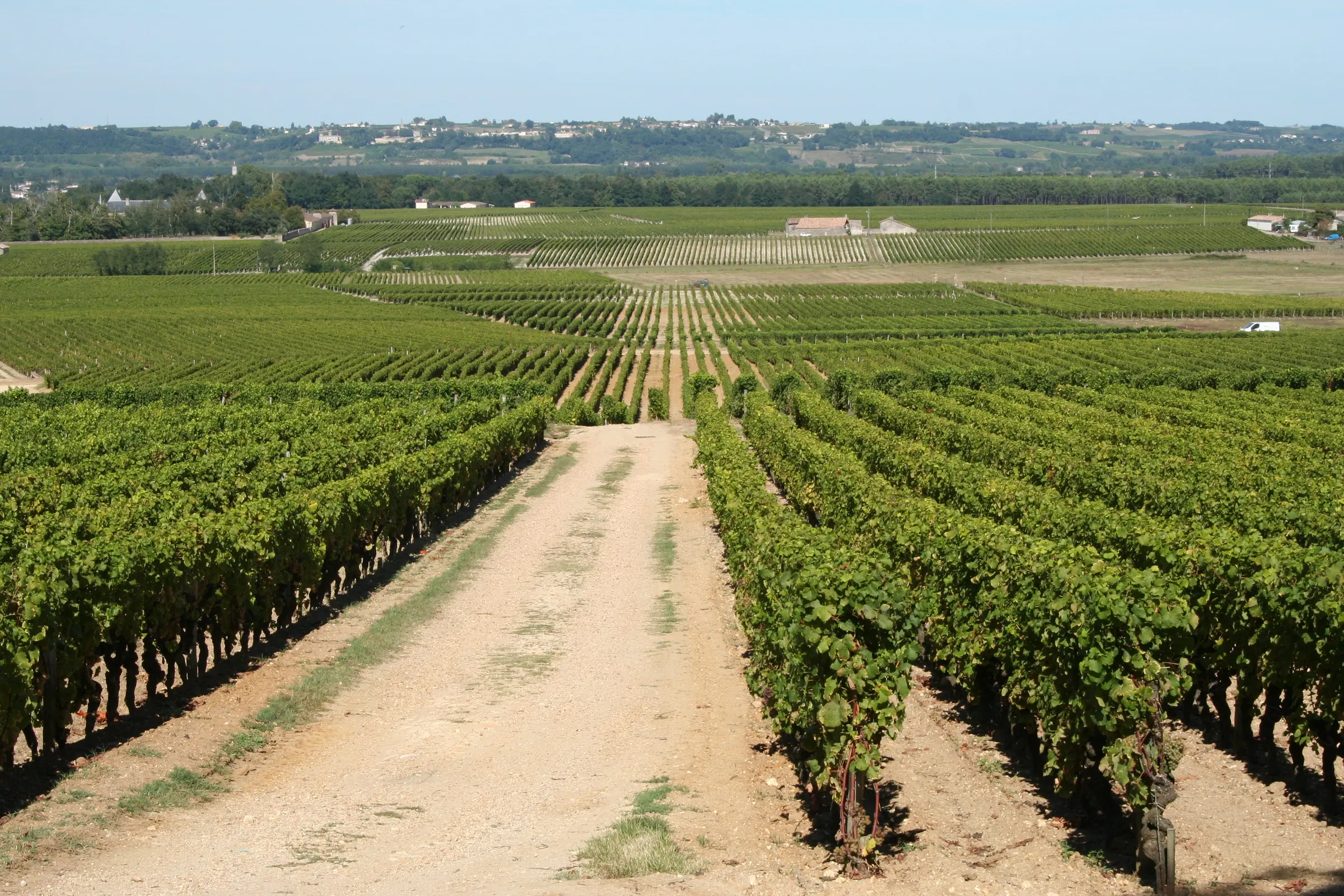
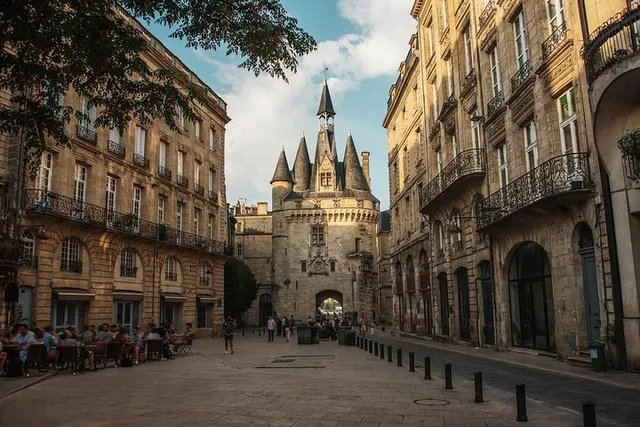
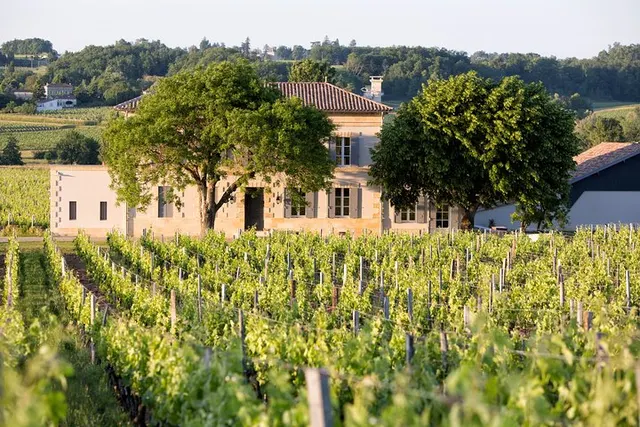
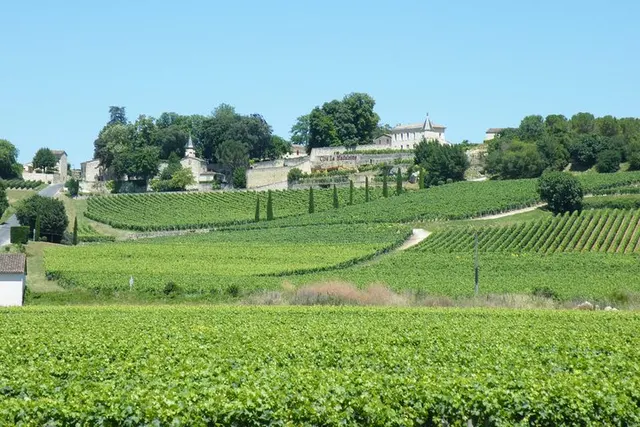
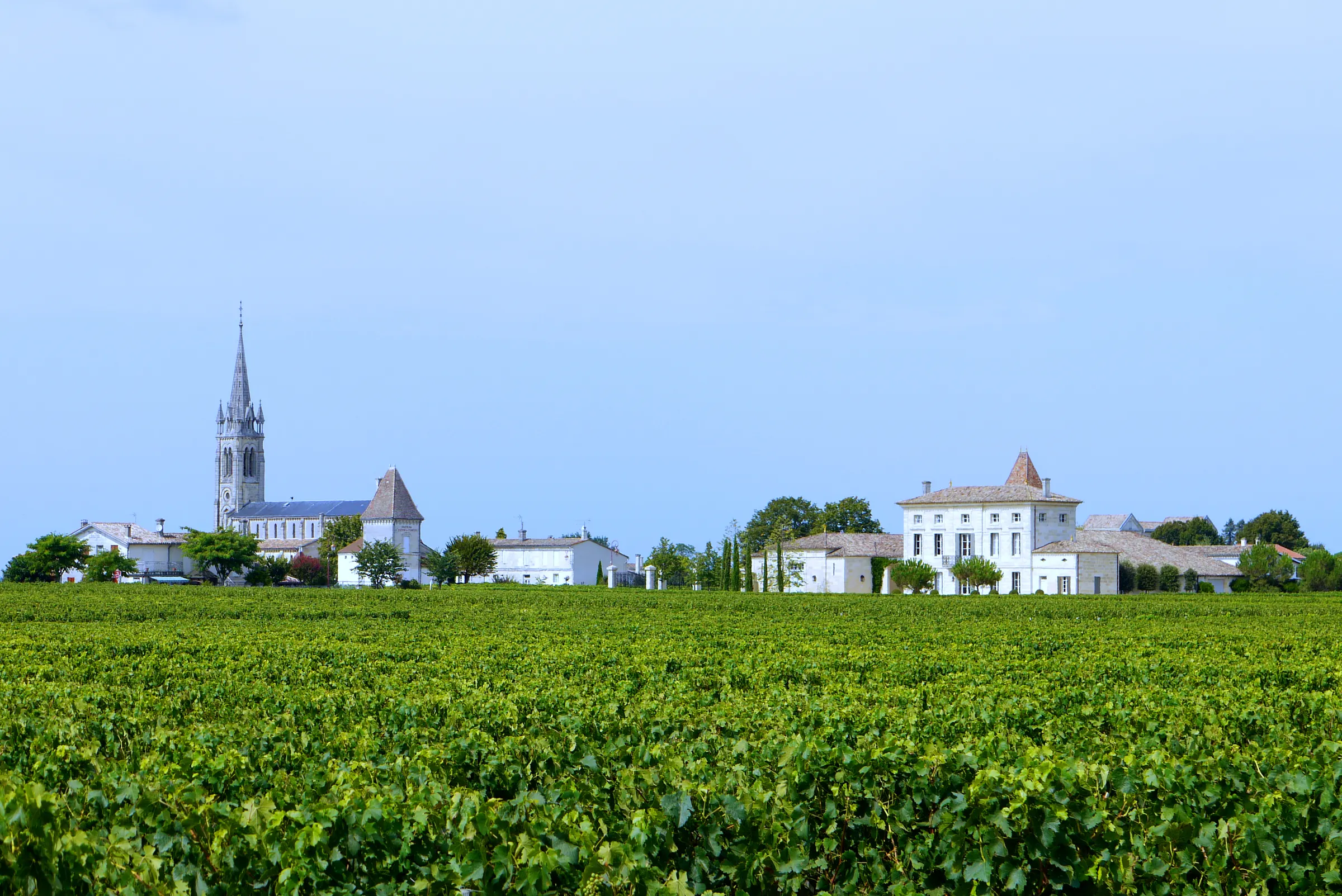
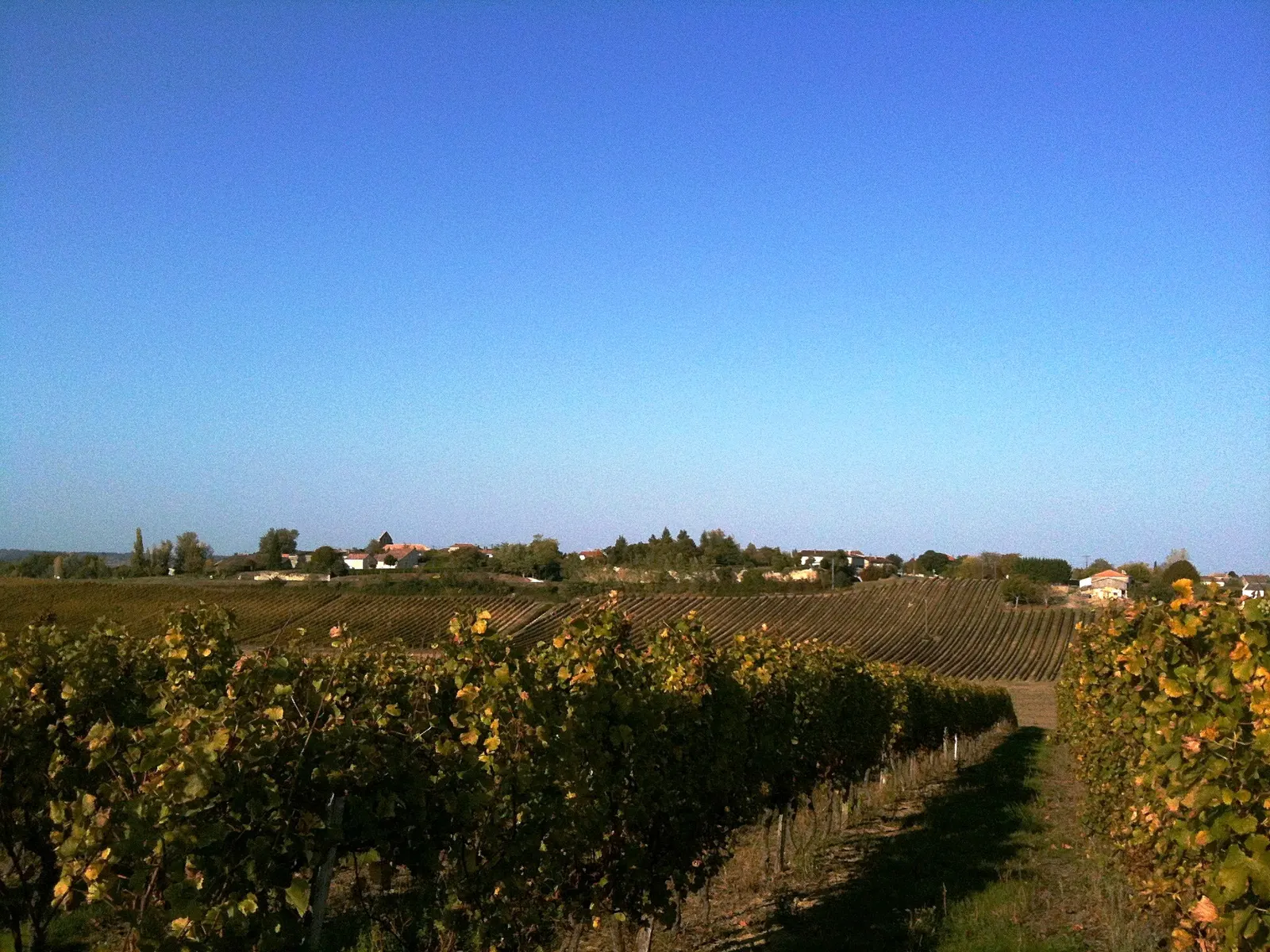
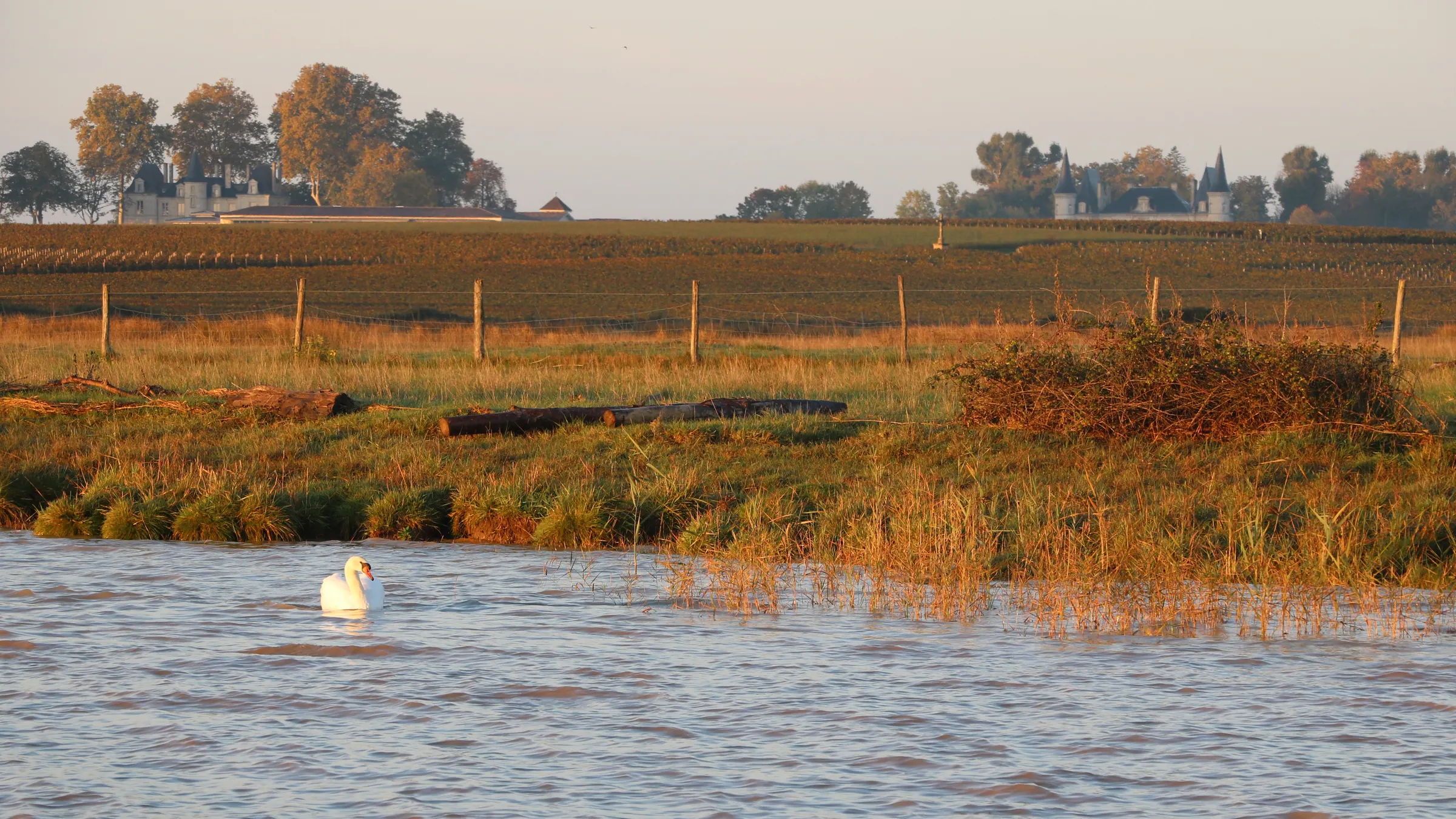
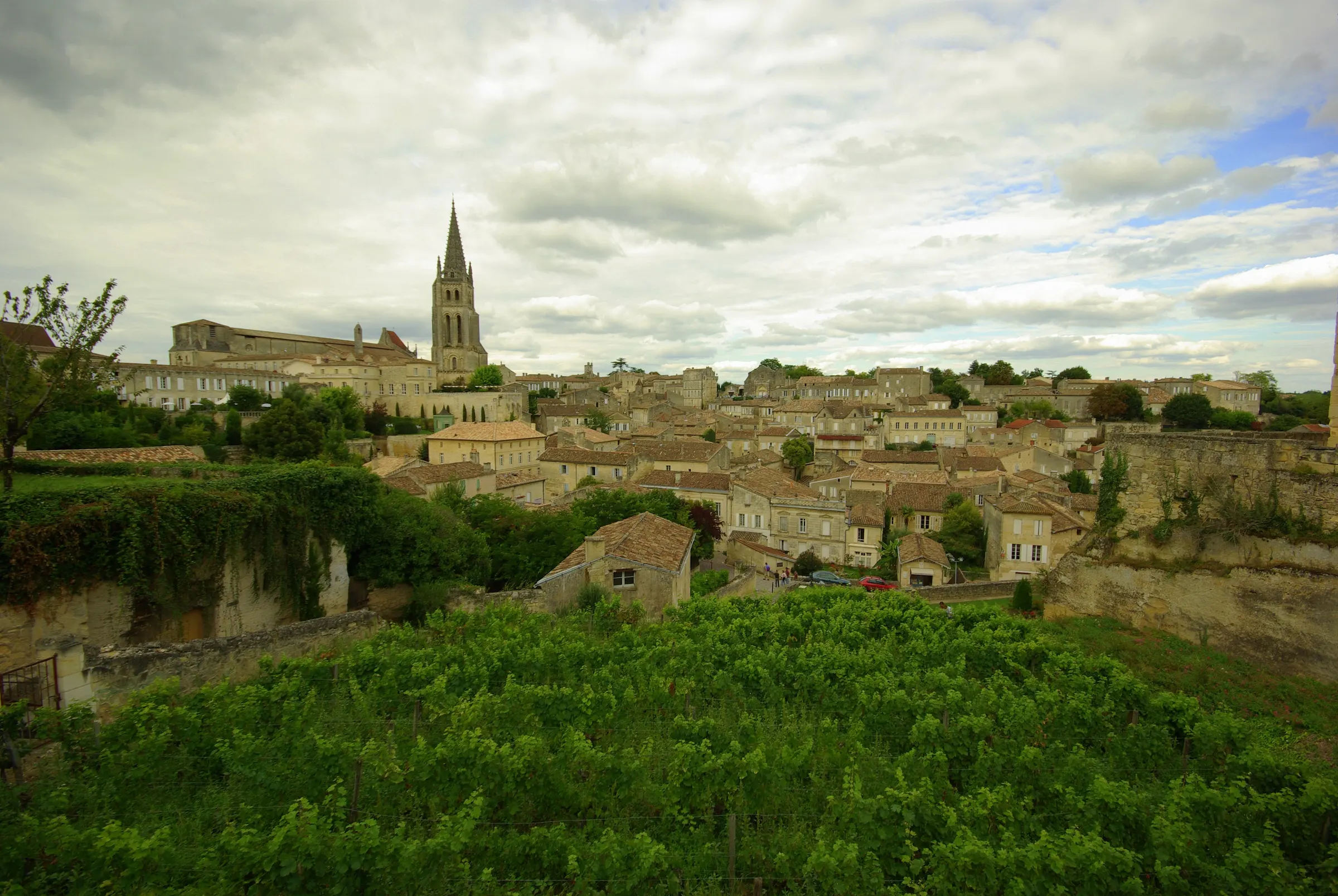
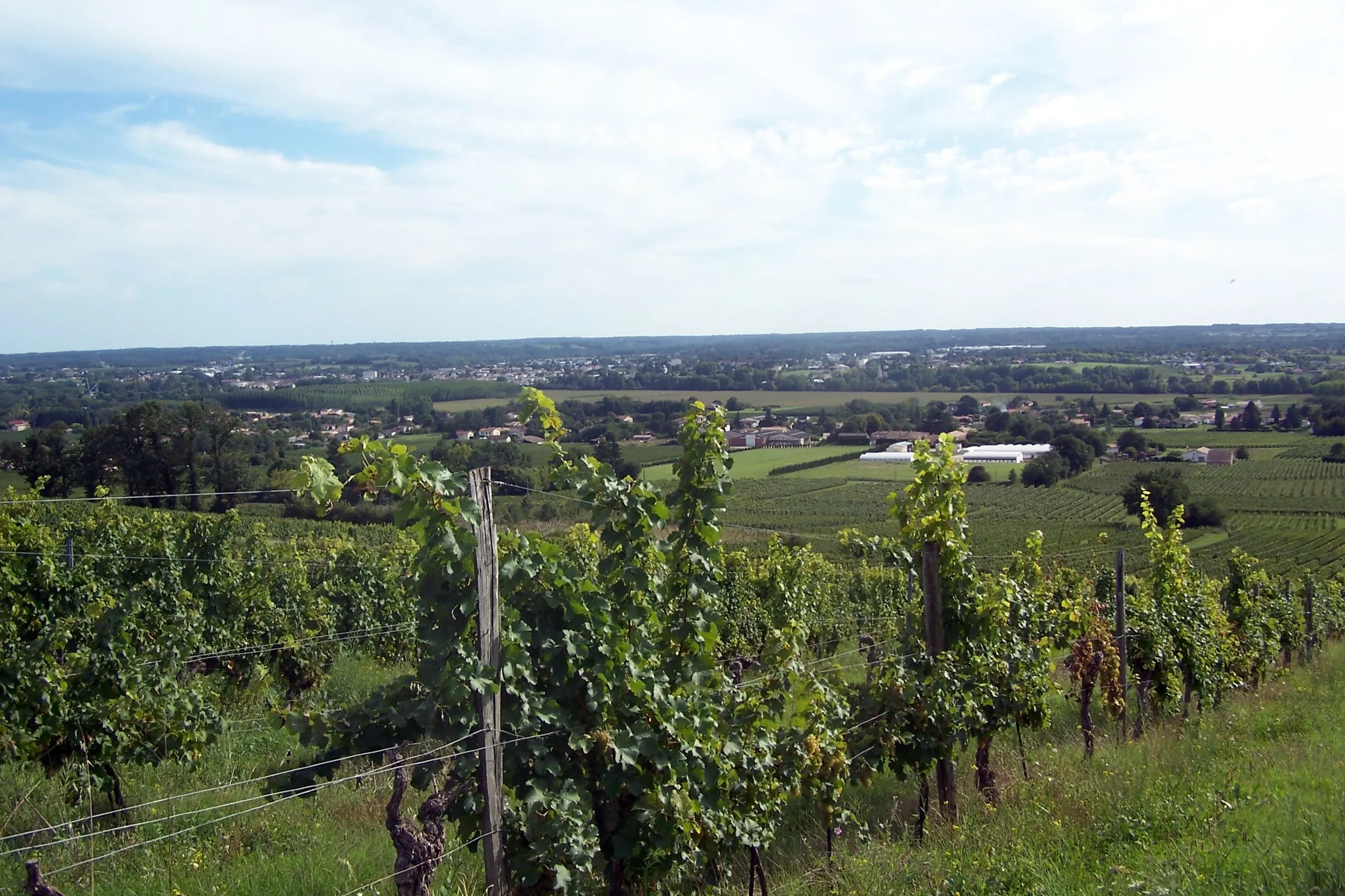
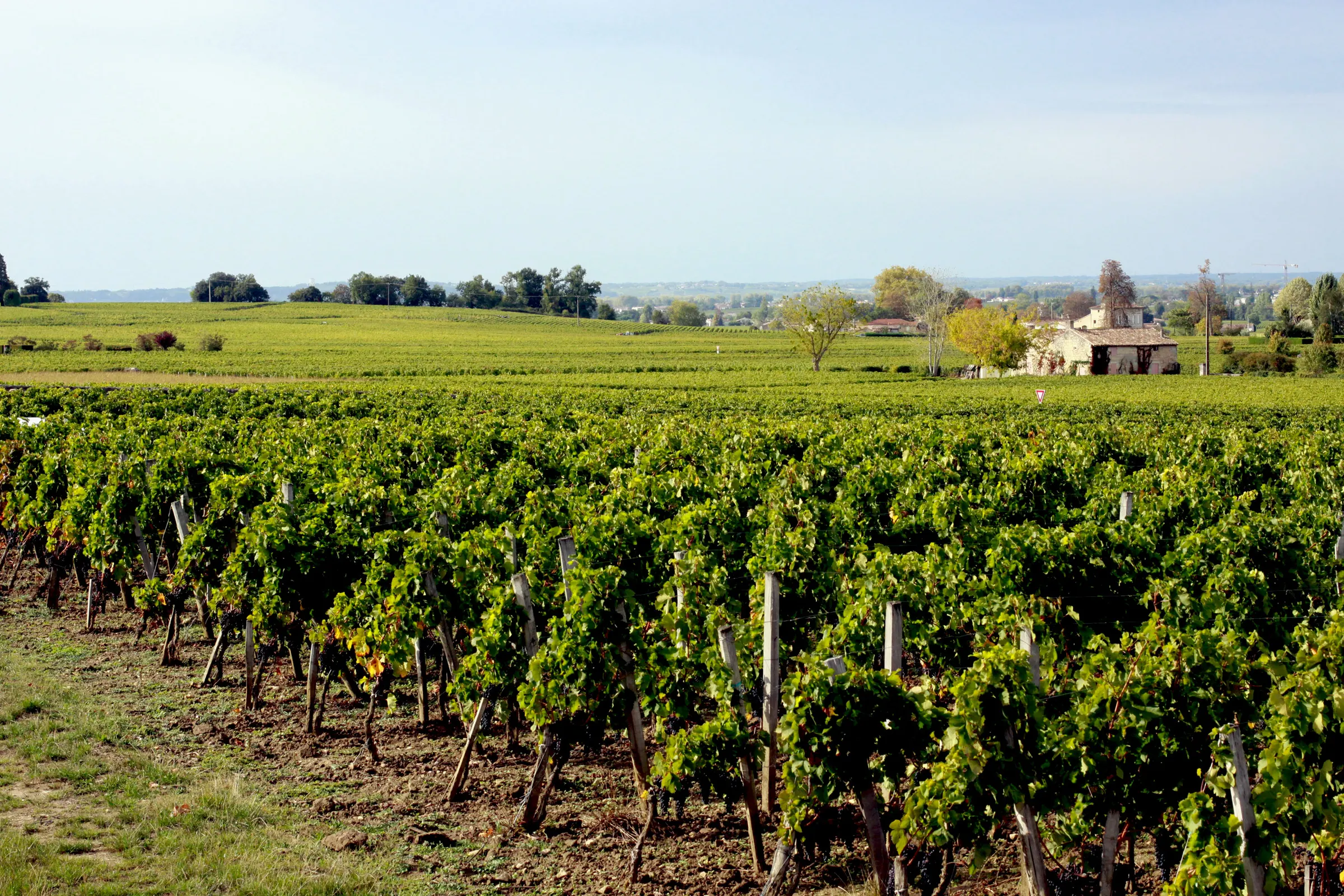
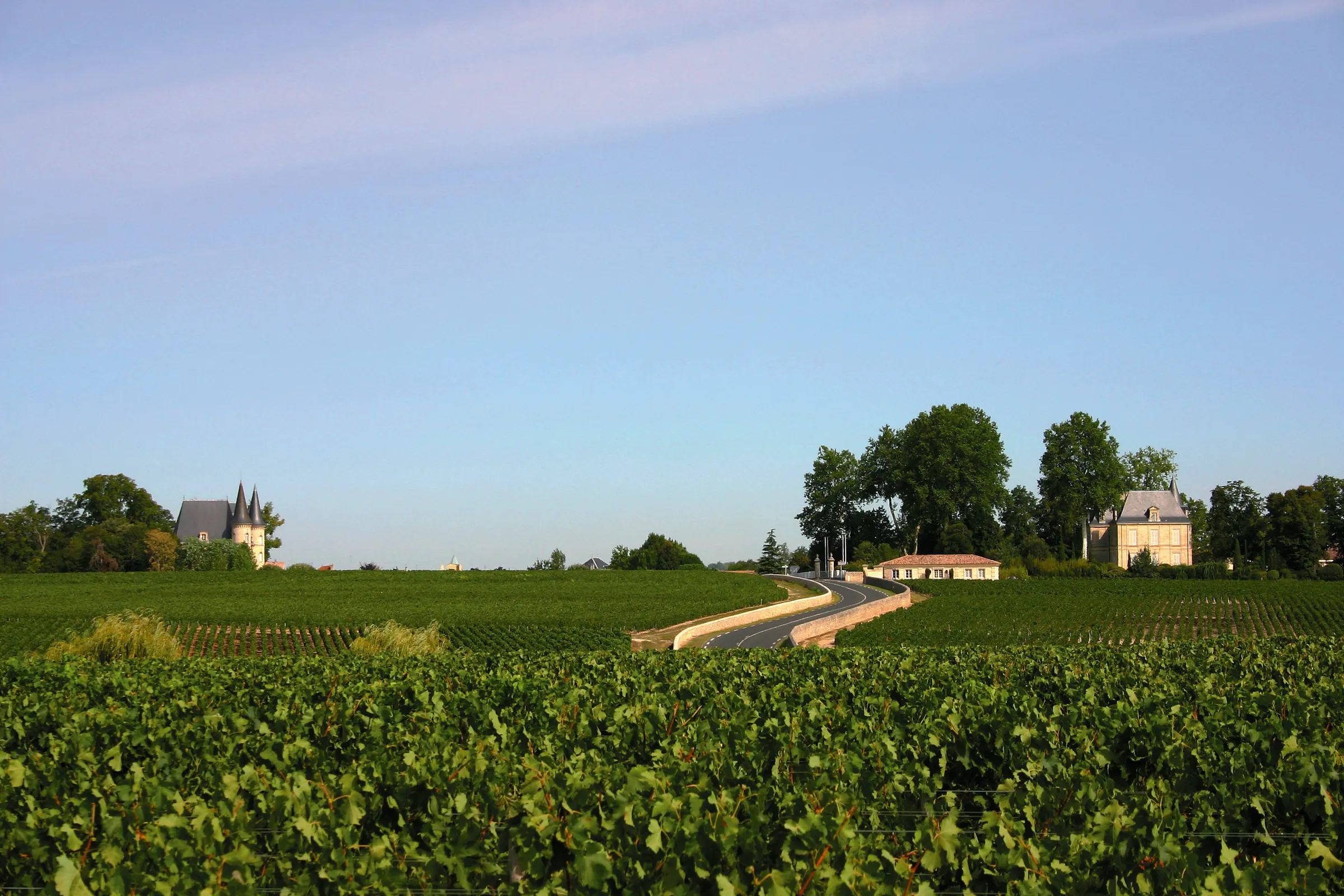
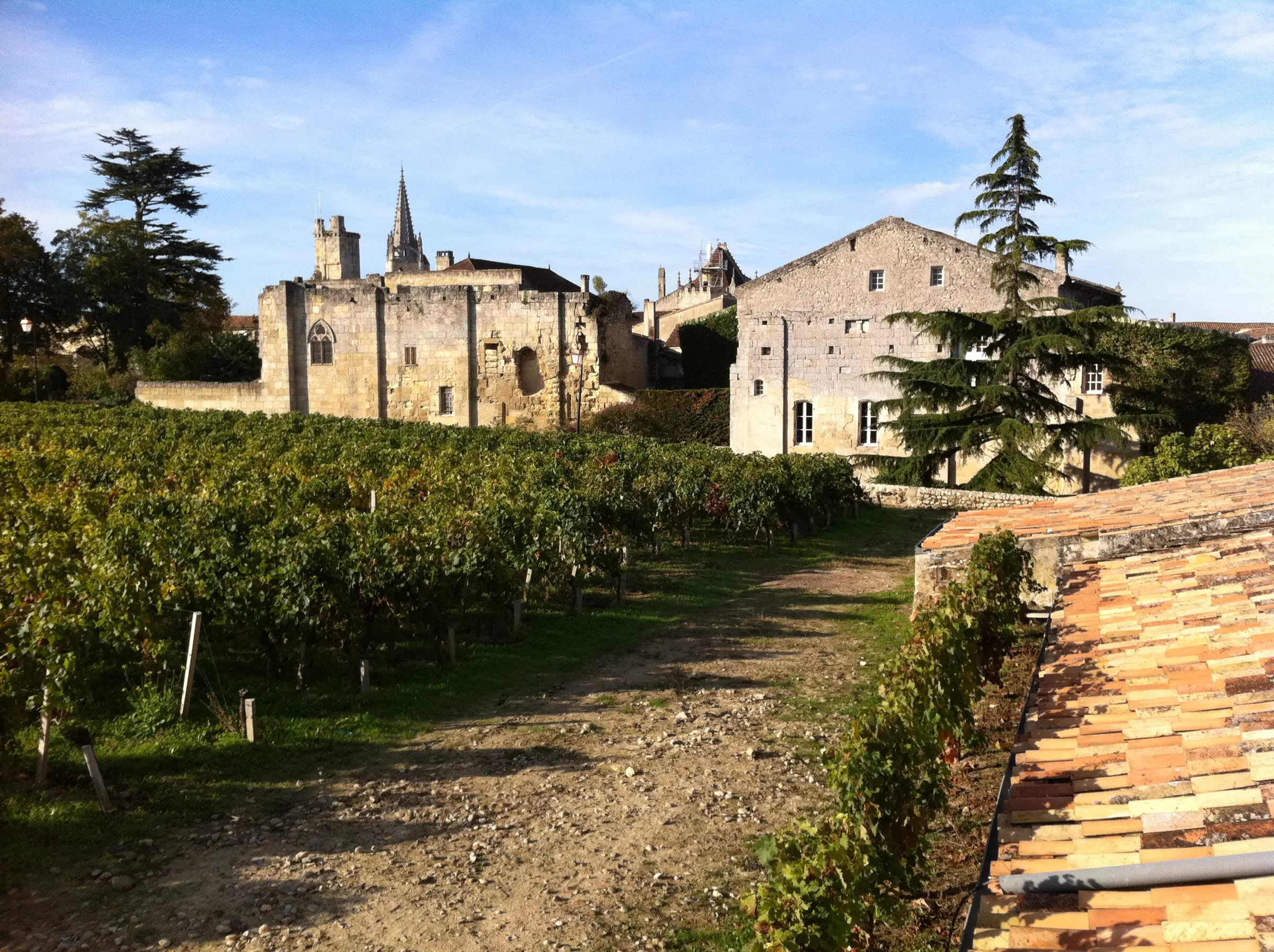
Bordeaux's red wines are blends of merlot and the two cabernets, and its white wines come mainly from sémillon and sauvignon blanc. The Bordeaux tourist office lists 35+ châteaux open for visits and tastings, from Saint-Émilion to the Médoc.
The grapes change from one appellation to the next, and so does the way the châteaux are ranked. Knowing both tells you where to go for the wines you like.
The wine
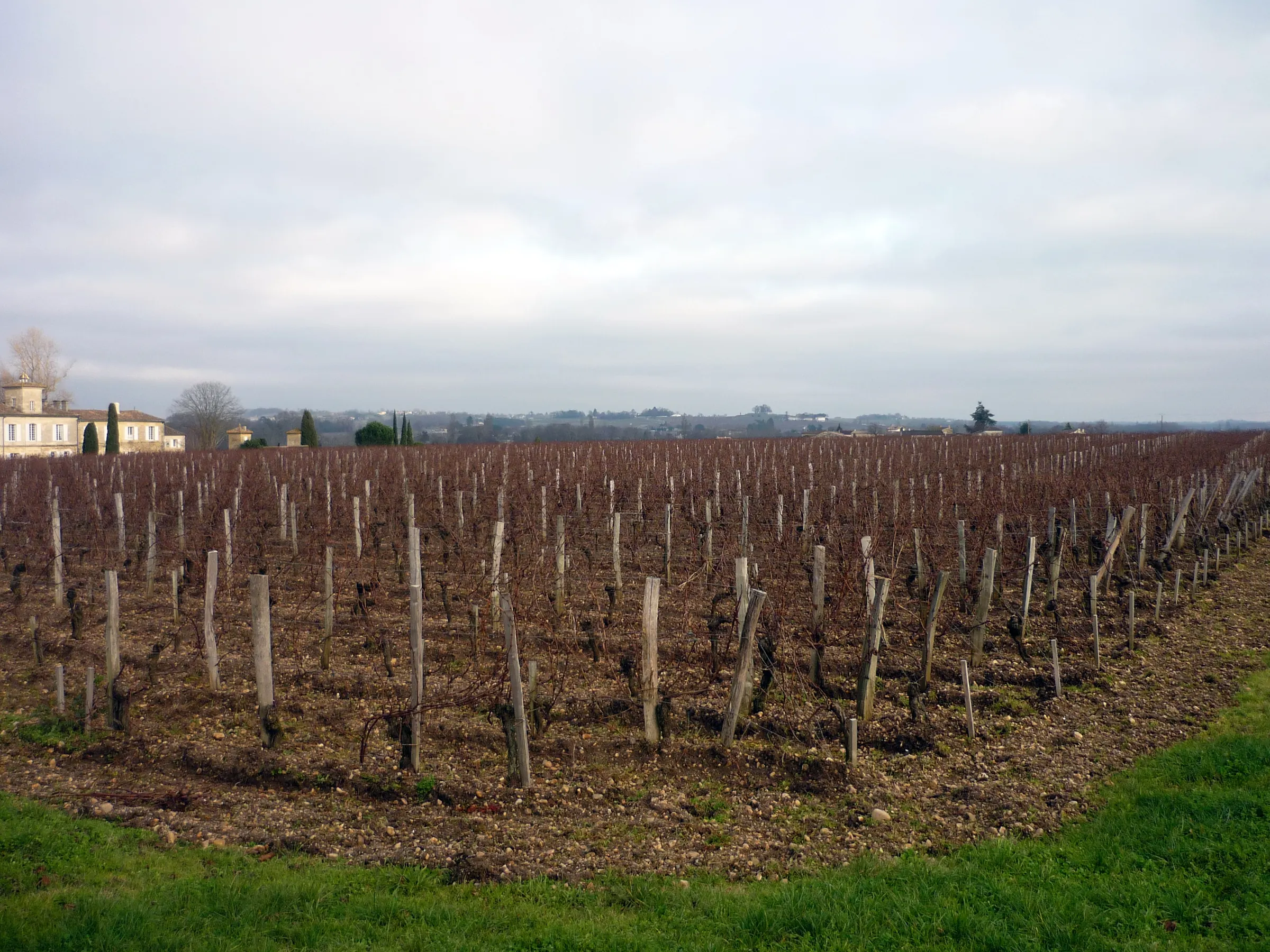
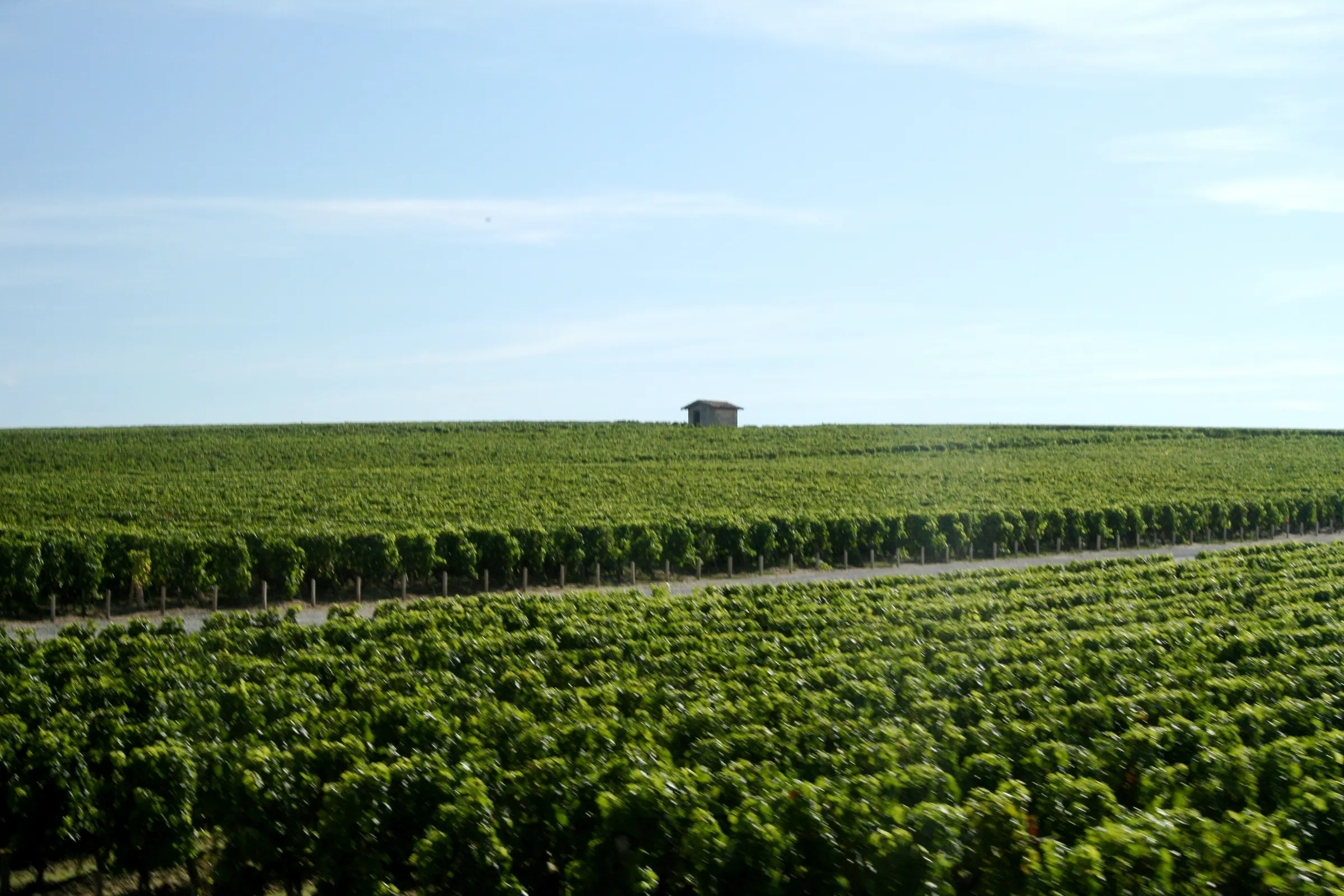
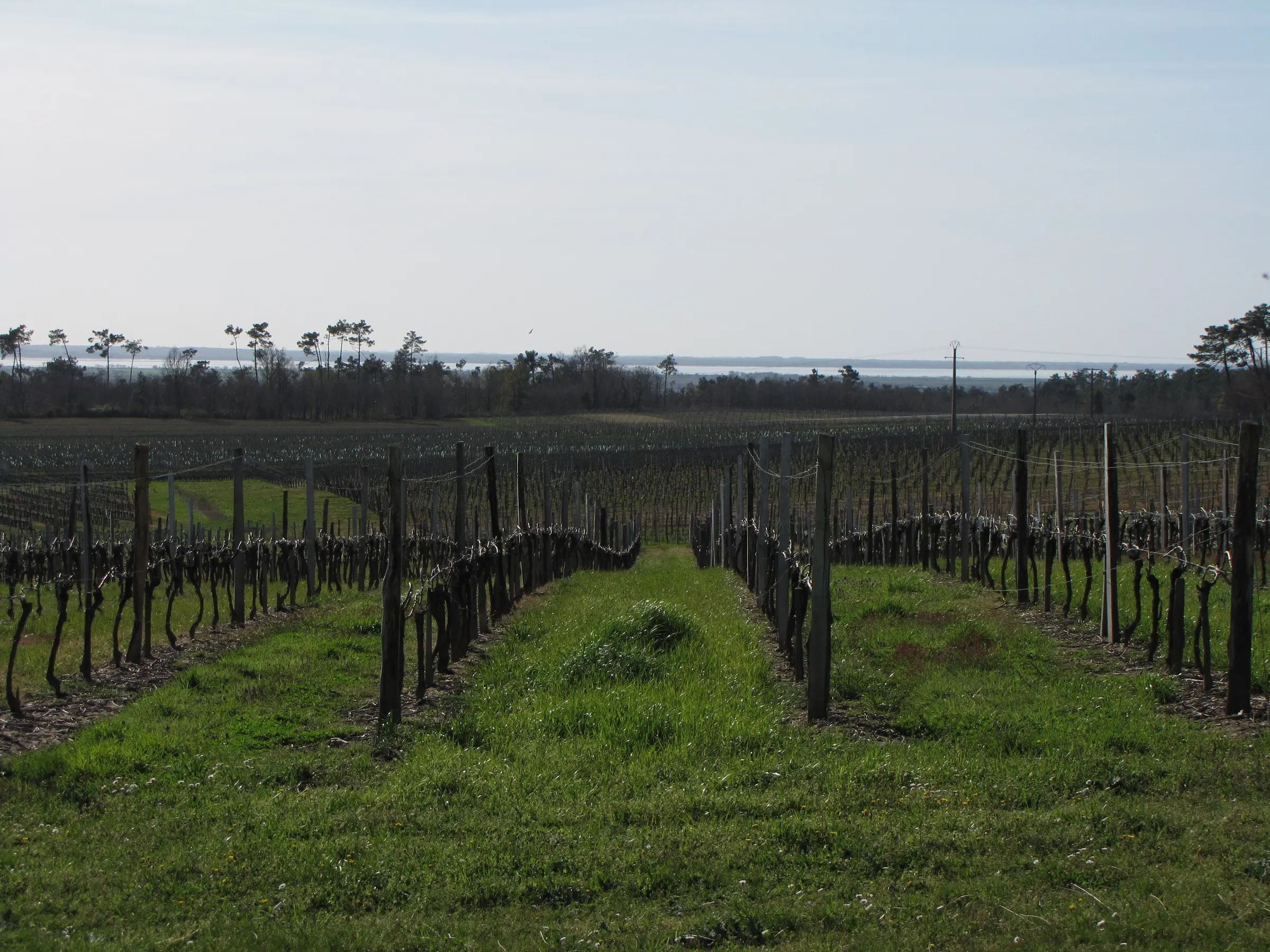
Red Bordeaux is a blend. Merlot covers 66% of the red plantings, cabernet sauvignon 22% and cabernet franc 9%. White Bordeaux is made mainly from sémillon and sauvignon blanc, with muscadelle at about 5%.
The balance shifts across the region. In Saint-Estèphe, in the Médoc, cabernet sauvignon covers about 50% of the vineyard and merlot about 40%, and cabernet sauvignon is the main grape in Margaux too. In Pomerol, merlot occupies 80% of the vineyards.
Two classifications rank the châteaux. The 1855 classification has 88 classified growths, in the Médoc and in Sauternes and Barsac, with Château Haut-Brion in Graves the one exception. Reds are ranked on five levels and whites on three, and Château d'Yquem is the only Premier Cru Supérieur.
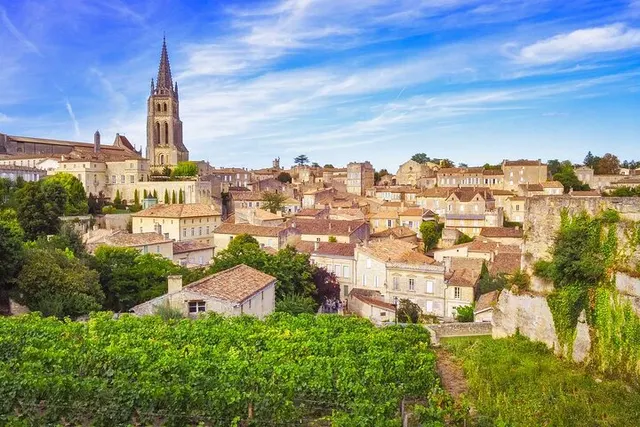
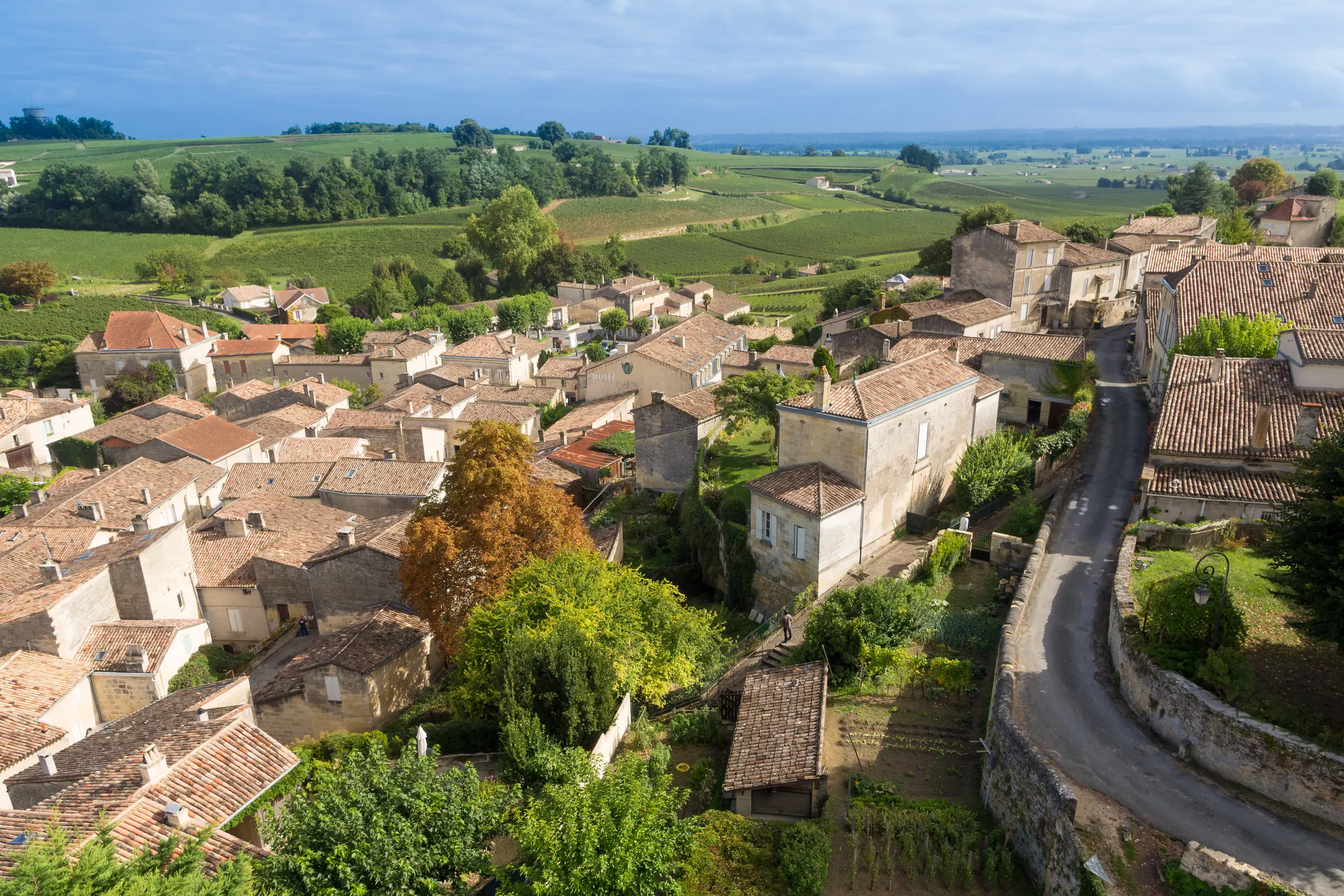
Saint-Émilion has its own classification, revised every decade. The 2022 edition recognized 85 châteaux from the Saint-Émilion Grand Cru appellation. The two Saint-Émilion appellations share 5,400 hectares across 9 communes, worked by 700 winegrowers.
How visits work
In Saint-Émilion, reservations with the wine estates are currently compulsory. The tourist office's château-of-the-day list shows which estates receive visitors on a given day, and those visits last about 1 hour.
Fees for a visit and tasting start low:
Saint-Émilion estates and visit fees| Estate | Where | From |
|---|
| Château La Rose Beauséjour | Vignonet | Free |
|---|
| Château Pipeau | Saint-Laurent-des-Combes | €8 ($9) |
|---|
| Château Coutet | Saint-Émilion | €9 ($10) |
|---|
| Château Bernateau | Saint-Étienne-de-Lisse | €12 ($13) |
|---|
| Château Soutard | Saint-Émilion | €23 ($25) |
|---|
| Couvent des Jacobins | Saint-Émilion | €28 ($30) |
|---|
Château Bernateau, just outside Saint-Émilion, runs its tour and tasting all year by reservation. Château Soutard is a Grand Cru Classé, and its €23 ($25) fee is per person. At Couvent des Jacobins, visits run from 1 hour to 2 hours 30 minutes.
Château Chauvin opens seven days a week from April to October, with a guided cellar tour and tasting booked through the Bordeaux tourist office.
If you would rather not drive, the Bordeaux tourist office runs guided half-day tours from the city center to the Médoc, Saint-Émilion or Sauternes, with château visits and tastings included, from €55 ($59). It also sells a half-day Saint-Émilion tour with a tasting and a visit to the monolithic church, from €55 ($59).
La Cité du Vin offers guided tours along six wine routes, by the half day or the full day, leaving from the tourist office in central Bordeaux.
Planning a trip
Choose your area by the wine you want to taste. For reds led by cabernet sauvignon, head to Margaux or Saint-Estèphe in the Médoc, where the 1855 classification ranks its red châteaux. For merlot, look to Pomerol. Saint-Émilion is the base for the estates in the table above.
Sauternes and Barsac have their own classified growths in the 1855 classification, including Château d'Yquem, the only Premier Cru Supérieur.
Before you go:
- Reserve every estate visit before you travel. In Saint-Émilion, reservations with the wine estates are currently compulsory.
- Look at the château-of-the-day list for the day you plan to visit, so you know which estates are receiving visitors.
- A tourist office half-day tour, from €55 ($59), takes you to the châteaux without a car.
Spit at tastings if you are driving, or choose a designated driver for the day.