Skip to content
FrenchVineyardBook a Tour
Menu
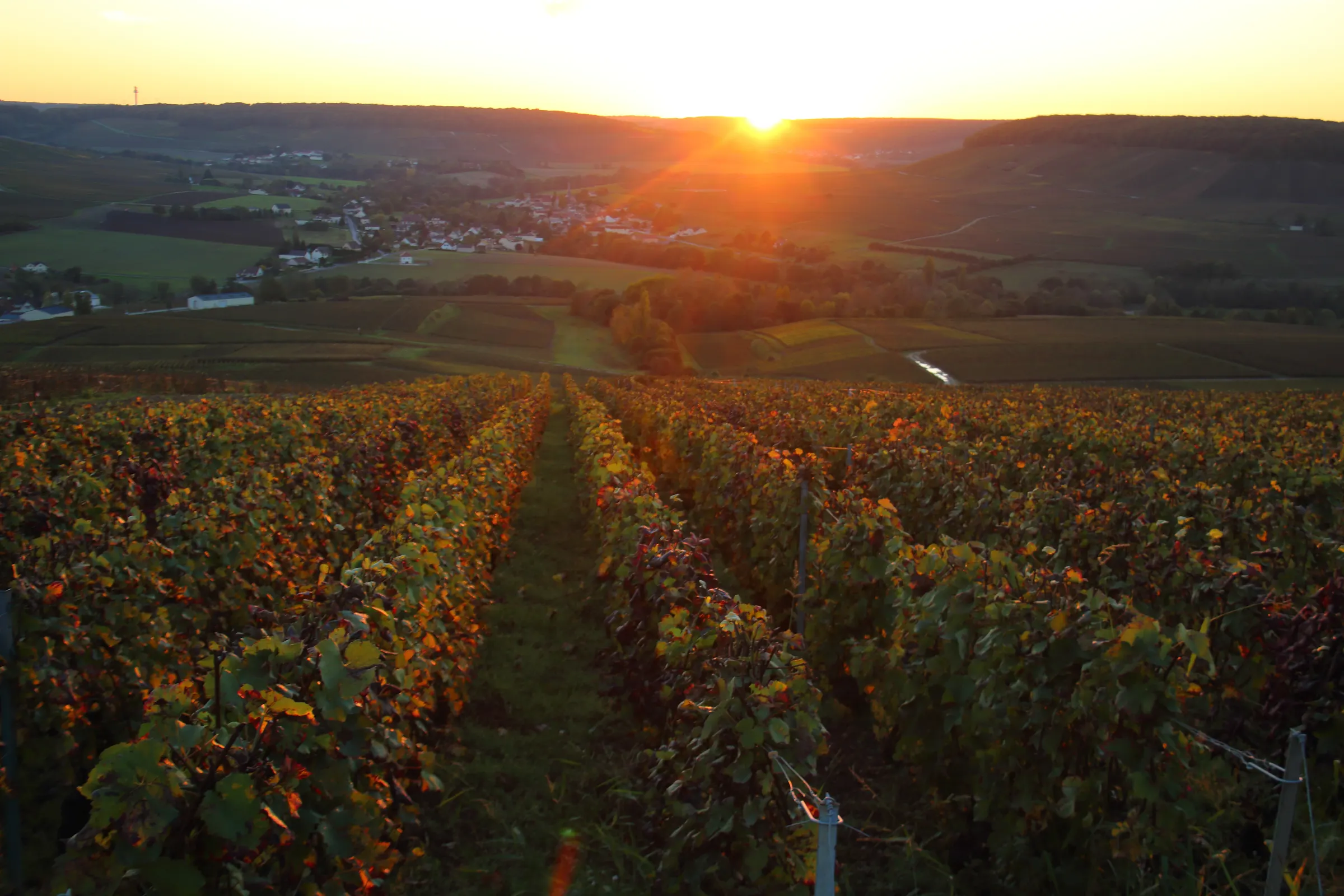
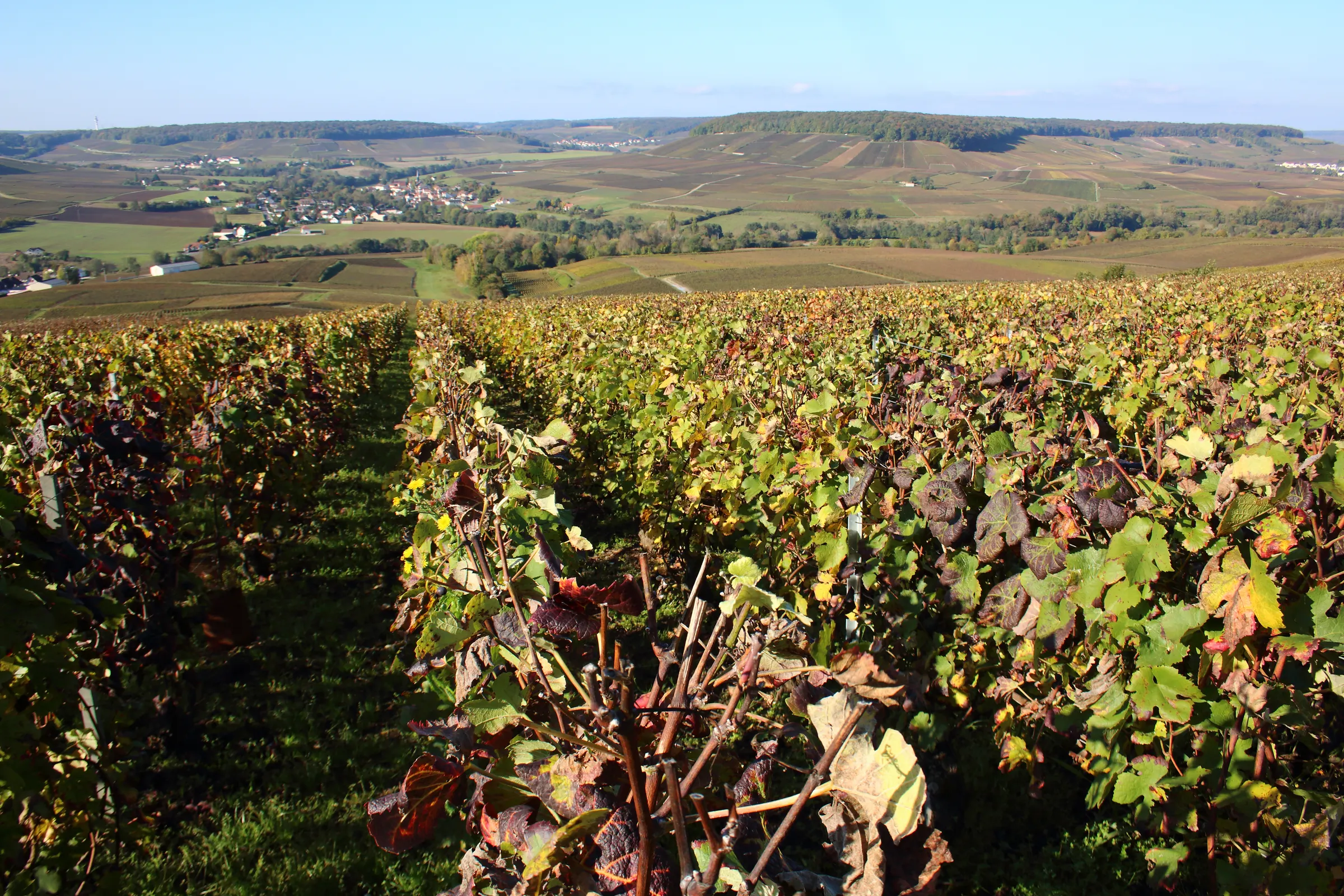
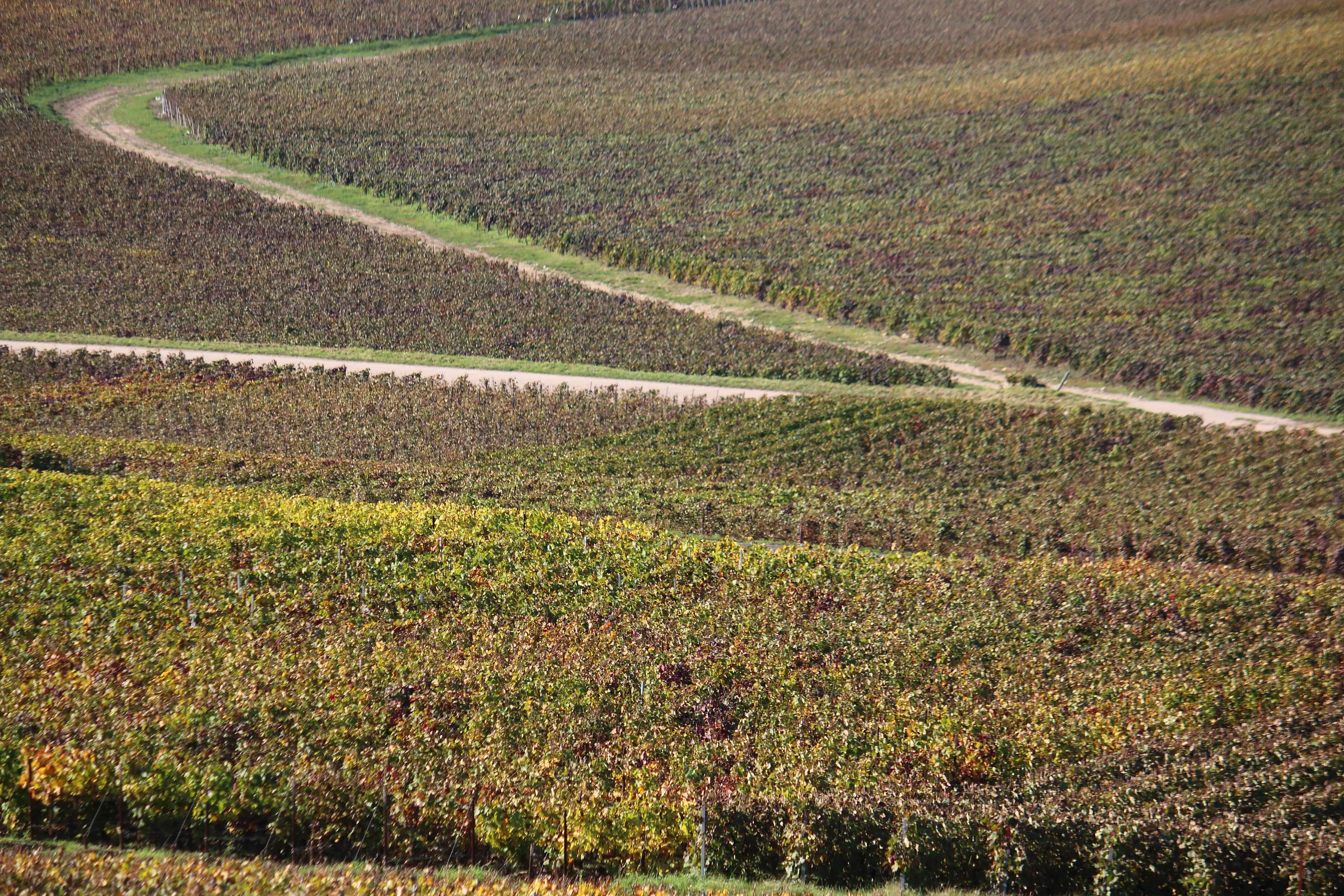
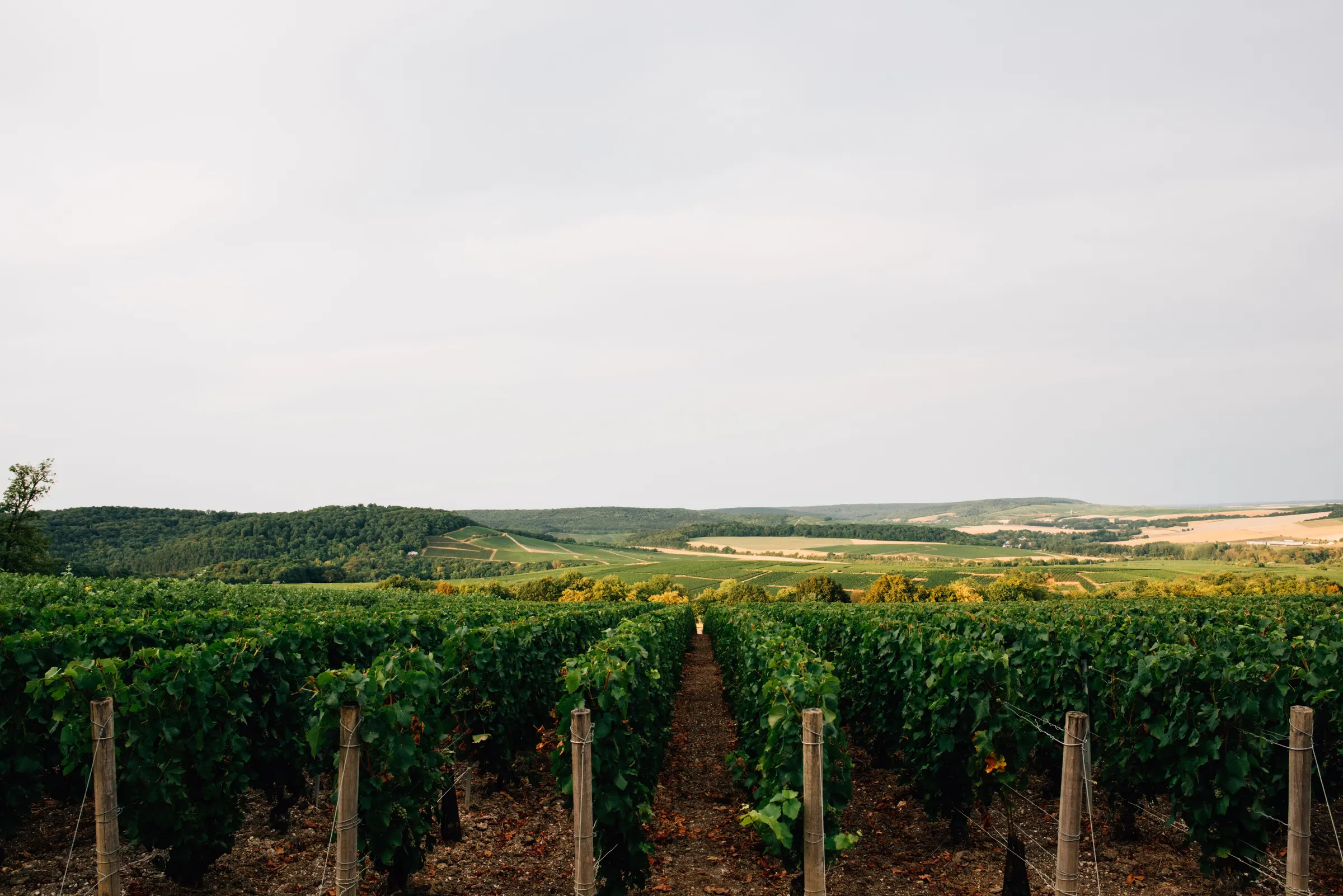
Sun setting over autumn-coloured vine rows above a village in the Champagne countryside

Wine region

Champagne

Champagne is the chalk country around Reims and Épernay where three grapes become sparkling wine, and where the houses open their cellars to visitors.

Photo: FrDr / Wikimedia Commons, CC BY-SA 4.0

From Paris
45 min (Paris Est to Reims)
Best months
May, Jun, Sep
Signature grape
Pinot Noir
UNESCO listed
Yes

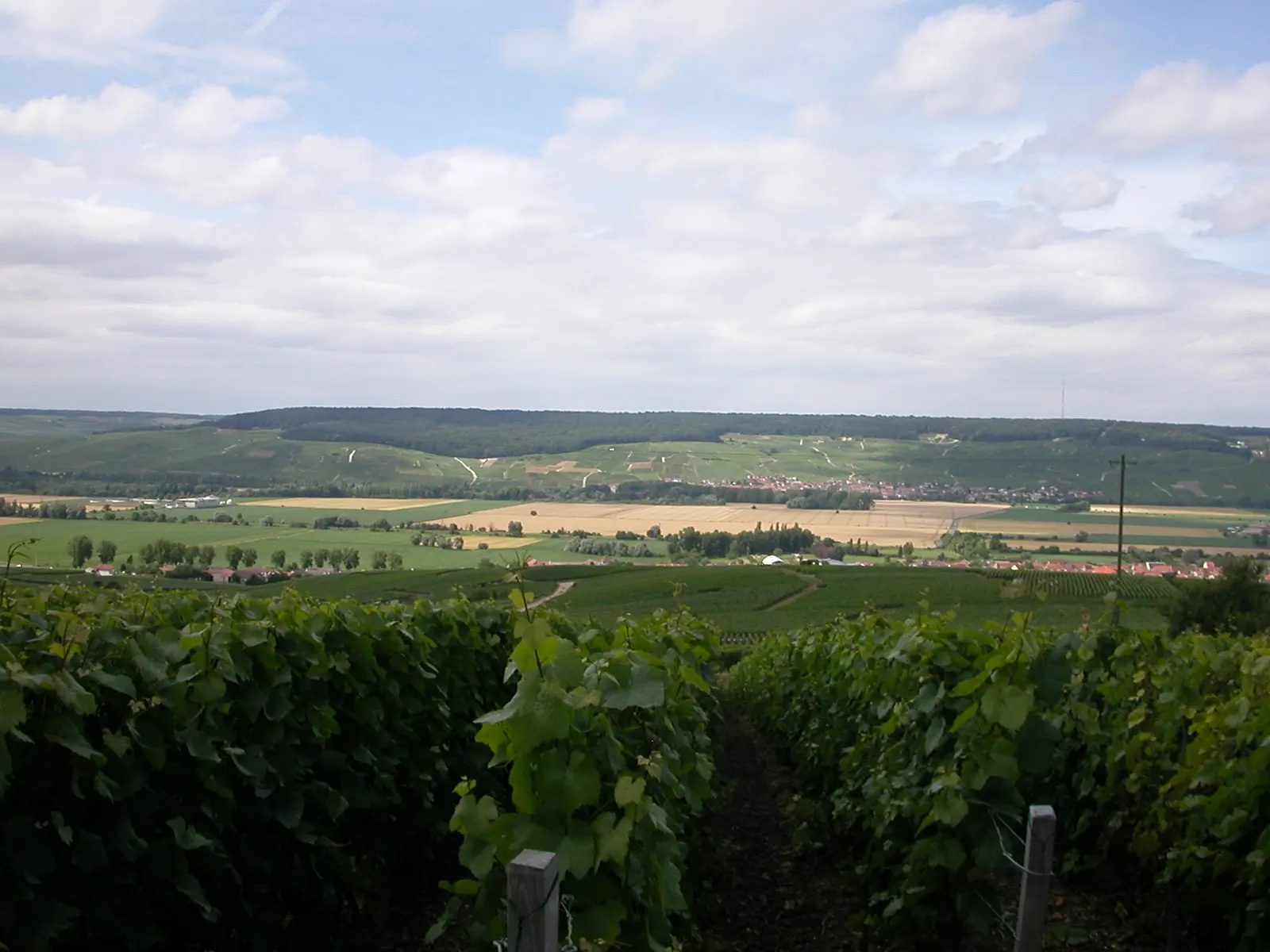
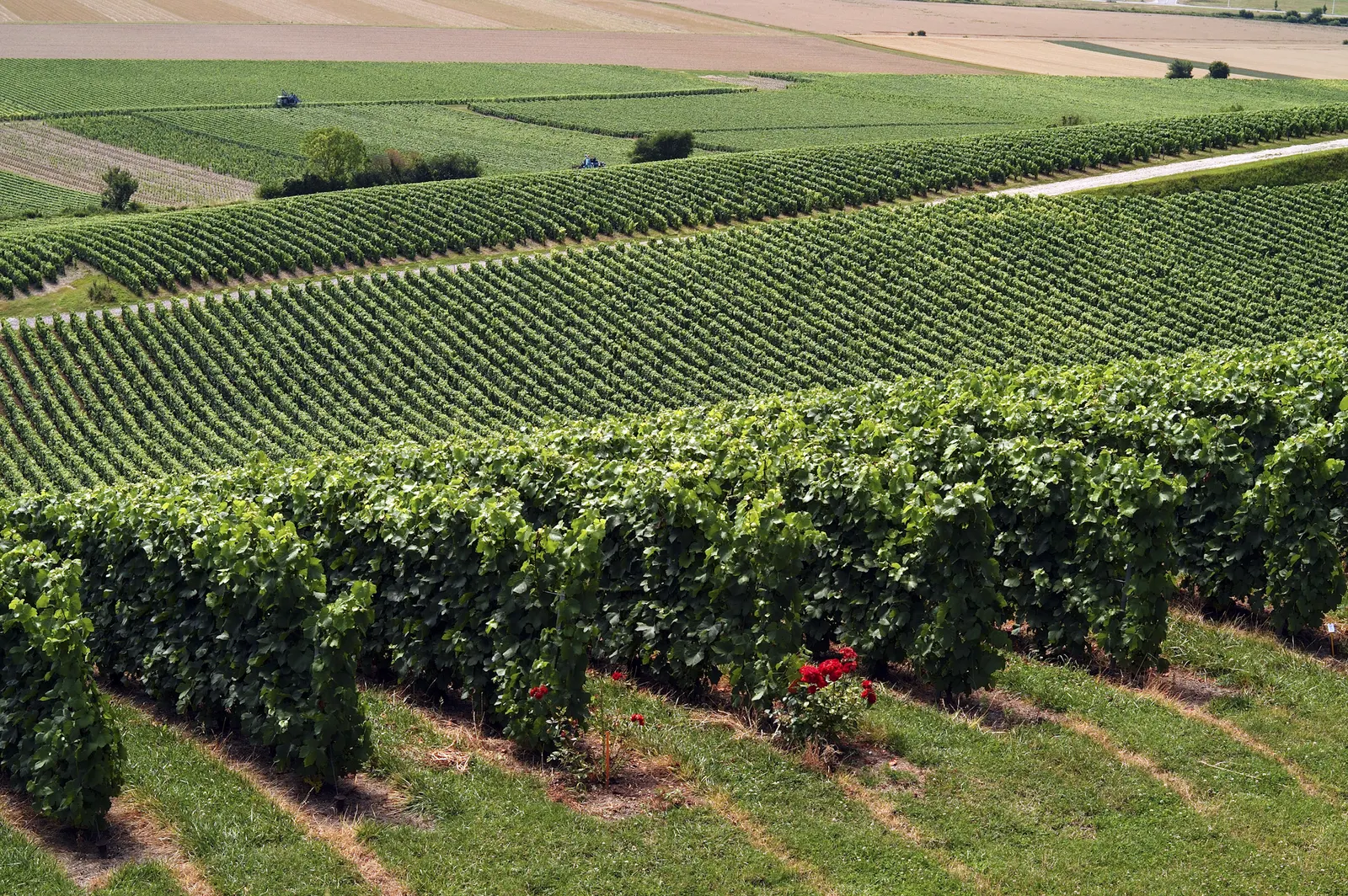
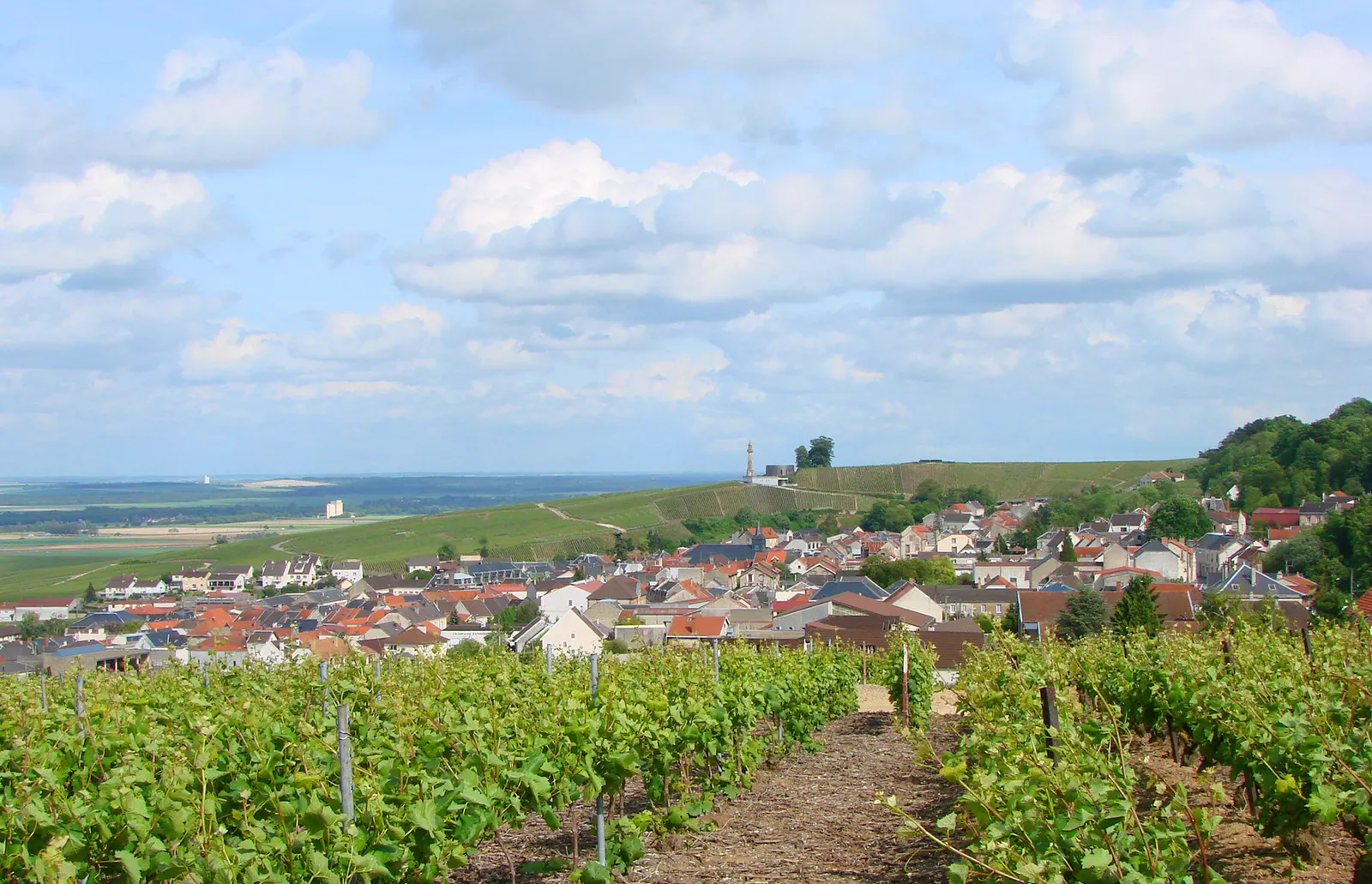
Champagne's vineyards cover some 34,300 hectares across 319 villages, which the region calls crus, about 90 miles east of Paris. More than 16,000 growers tend nearly 280,000 plots, averaging no more than 0.12 hectare each.

Reims and Épernay are 27 km apart. On July 4, 2015, the Champagne hillsides, houses and cellars were added to the UNESCO World Heritage list as a cultural landscape.

The wine

Three grapes make almost all Champagne: pinot noir and meunier, which are black, and chardonnay, which is white. Arbane, Petit Meslier, Pinot Blanc and Pinot Gris are also permitted, but together they cover less than 0.4% of the vineyard.

Each grape has its own ground. Pinot noir is the main grape on the Montagne de Reims and makes up 83% of the vines in the Côte des Bar. The Côte des Blancs takes its name from chardonnay, and meunier takes over as you travel west along the Marne Valley.

The rock underneath matters too. Limestone, as chalk, marl and limestone proper, makes up 75% of the region's outcrops. Chalk is porous, so it stores water like a reservoir and regulates how much the vines take up through the summer.

Grand cru on a label is used only for wines from villages with a 100% rating, and premier cru for villages rated 90 to 100%.

The label also tells you the style. Blanc de blancs is made only from white grapes such as chardonnay, and blanc de noirs only from black grapes. A vintage Champagne comes from the wines of a single year. Non-vintage Champagne ages in the cellar for at least 15 months and vintage Champagne for at least 3 years, and brut on a label means less than 12 grams of sugar per liter.

How visits work

Who makes the wine shapes the visit. A Champagne house buys grapes from growers, makes the wine on its own premises and sells it under its own label. A récoltant-manipulant is a grower who makes and sells their own Champagne, and cooperatives pool pressing and winemaking for their members.

In Reims, the tourist office offers booking for many of the major houses, Ruinart among them. Its list of major houses to visit also includes Veuve Clicquot Ponsardin and Demoiselle Vranken. The Reims tourist office also lists Canard-Duchêne, in Ludes, among the houses to visit.

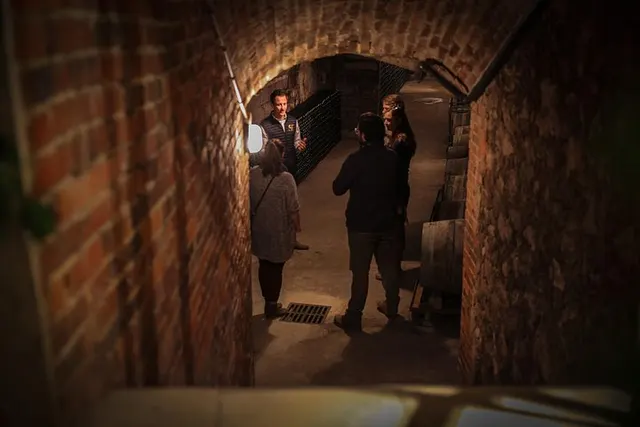
In Épernay, De Castellane at 63 avenue de Champagne opens seven days a week from March 12 to December 22, 2026, from 10 a.m. to noon and 2 p.m. to 6 p.m. Its visit takes in a museum and the 66-meter Tour du Champagne.

Planning a trip

Ruinart, Veuve Clicquot Ponsardin and Demoiselle Vranken are in Reims, and De Castellane is on the avenue de Champagne in Épernay.

From Paris, the direct TGV INOUI from Paris Est reaches Reims in 46 minutes. Some journeys instead run to the out-of-town Champagne-Ardenne TGV station and continue by TER, which adds a change; the fastest of those takes 61 minutes.

Before you go:

  • House seasons change from year to year. In 2026, De Castellane opens from March 12 to December 22.
  • Book house visits ahead. The Reims tourist office offers booking for many of the major houses.

If you are driving, spit at tastings, and choose a designated driver for the day.

Map of Champagne

Top tours in Champagne

All Champagne tours

À La Française / Viator

Champagne Tasting Class and Lunch near Epernay

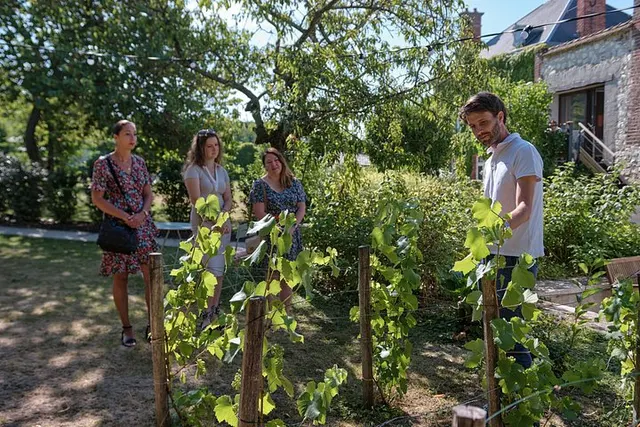
You spend 3 hours at one family-run winery near Épernay, with six tastings and lunch included. Groups are capped at 12 and a local guide leads in English. At €90 ($97), the fee covers entrance, tastings and the meal.

From €903 hours

  • Entrance fees for visit and tastings at one family-run winery
  • 6 Tastings
  • Small-group tour (maximum 12 persons)

Best for: A hands-on tasting class with lunch, small groups

Sparkling Tour / Viator

Private Full Day Tour - Visit of 3 Champagne Growers from Reims.

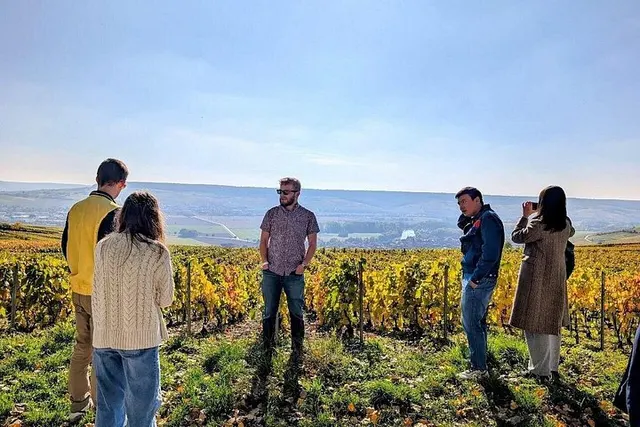
You visit three family-run Champagne growers outside Reims in a private minivan with air conditioning, for up to 8 people. The 8-hour day starts with hotel pickup in Reims or Épernay and includes entry and tastings of 10 Champagnes. It costs €495 ($535) from.

From €4958 hours

  • Entrance fees for visits and tastings at 3 family-run wineries outside of Reims
  • 10 Champagnes tasting during the day
  • Mercedes Minivans with A/C

Best for: Small groups who want a private day with three growers

À La Française / Viator

Reims or Epernay: Full day Veuve Clicquot family grower & lunch

You spend 8 hours 10 minutes with a local English-speaking guide in a group of no more than 8. The day covers a Veuve Clicquot visit, a family-run winery and a traditional lunch. At €330 ($356), it includes 9 Champagne tastings and admission.

From €3308 hours 10 minutes

  • A total of 9 Champagne tastings
  • Local English-speaking guide
  • Shared tour with a maximum of 8 people

Best for: Small-group full day: one big house, one grower

CHAMPAGNE DREAM TOUR / Viator

Champagne Munoz Bruneau : Half Day Visit and Tasting

This 4-hour half day covers a visit and tasting at Champagne Munoz Bruneau, a single estate near Épernay. Travel is in an air-conditioned vehicle. It costs from €80 ($86), and the tasting is part of the visit.

From €804 hours

  • Visites et Dégustations
  • Air-conditioned vehicle

Best for: Épernay visitors who want one grower's cellar

Wine areas

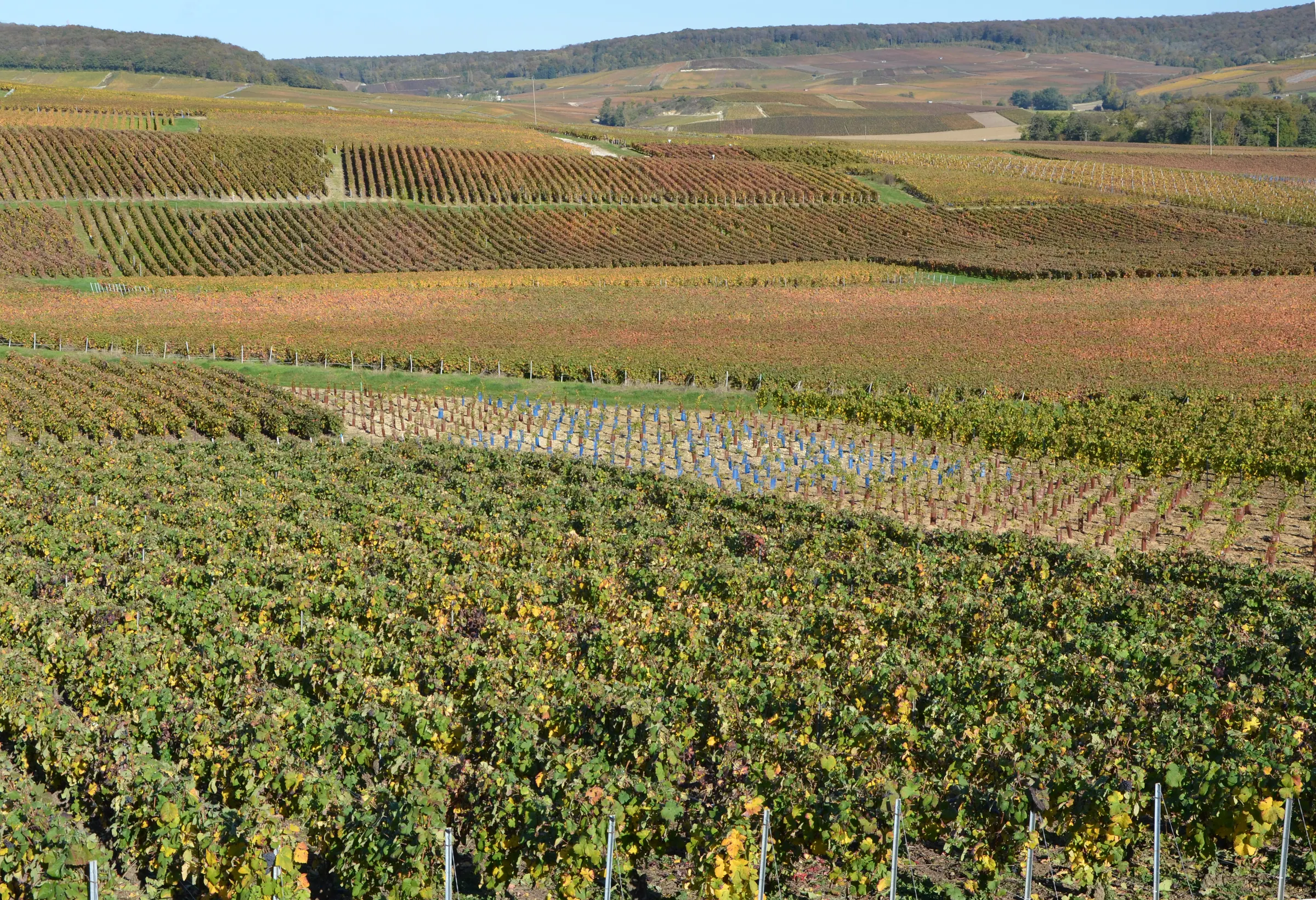
Autumn-coloured Champagne vineyard rows on rolling hillsides near Fleury-la-Rivière in the Montagne de Reims

Wine area

Montagne de Reims

The Montagne de Reims is a wine area between Reims and Épernay, and one of the four terroirs of AOC Champagne. Its…

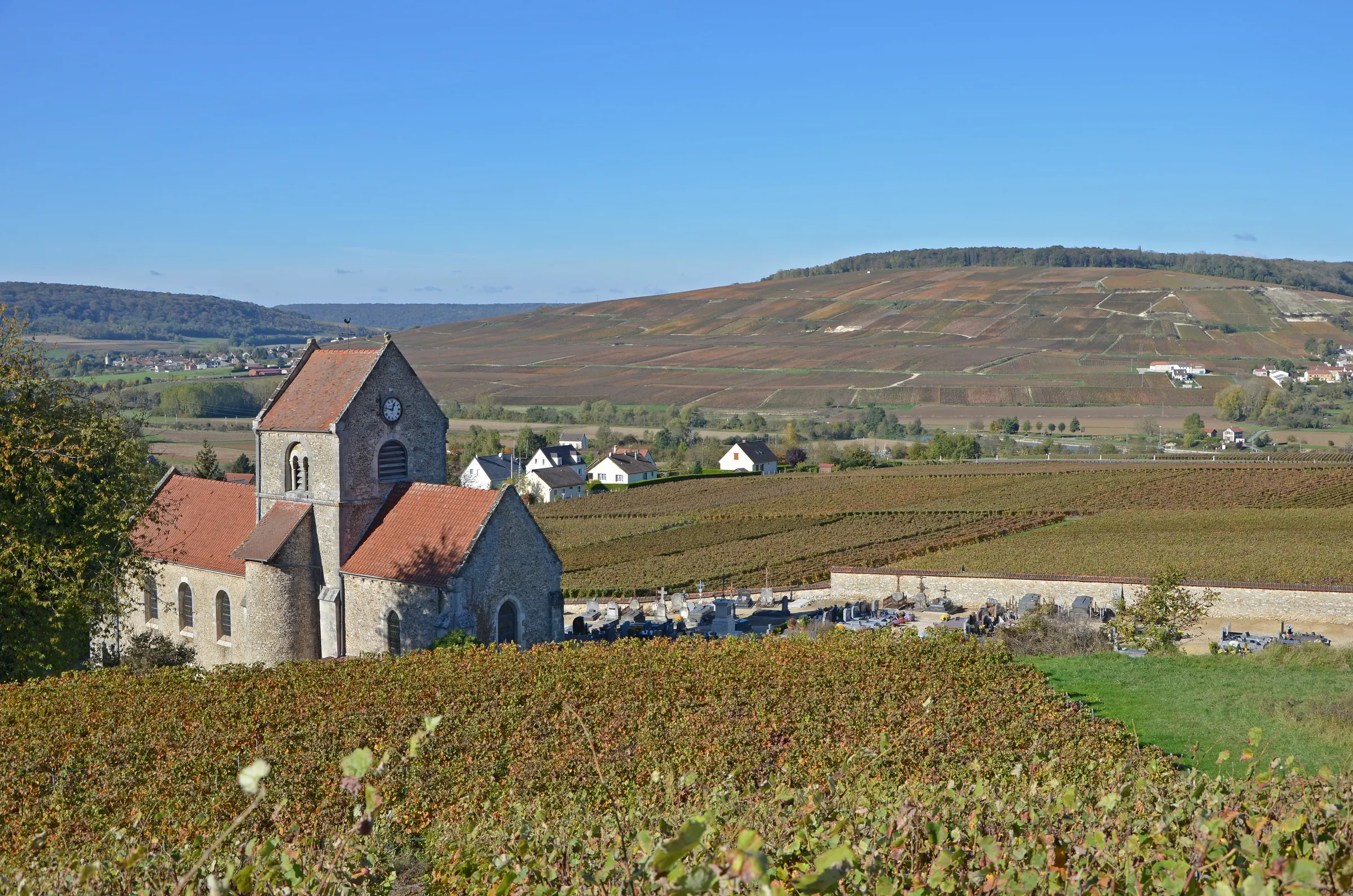
Stone church among autumn-coloured vineyards with a vine-covered hillside behind, at Courthiézy in the Marne valley

Wine area

Vallée de la Marne

The Vallée de la Marne follows the river west from Aÿ, near Épernay, for nearly 100 km. Its wine is Meunier country,…

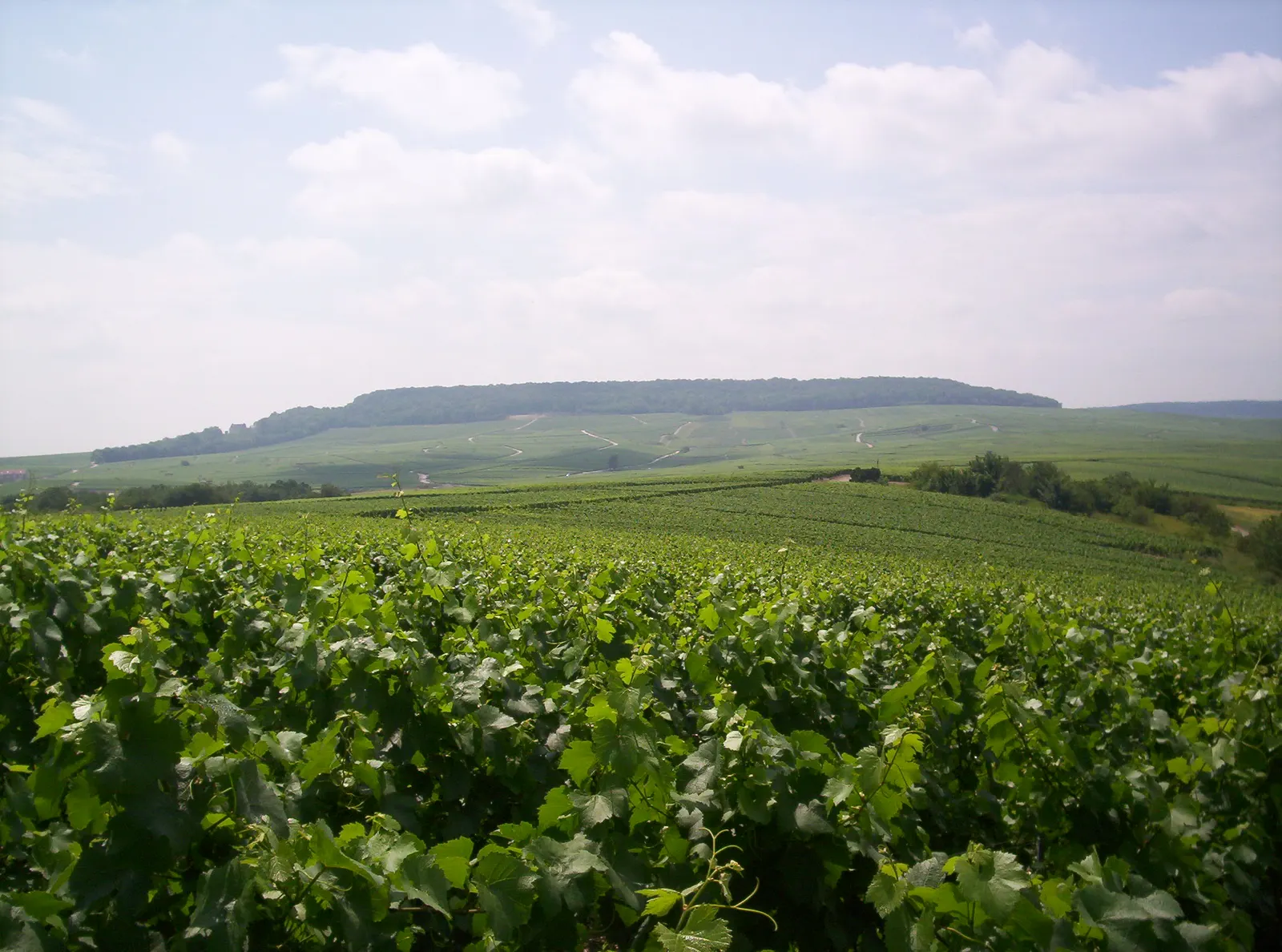
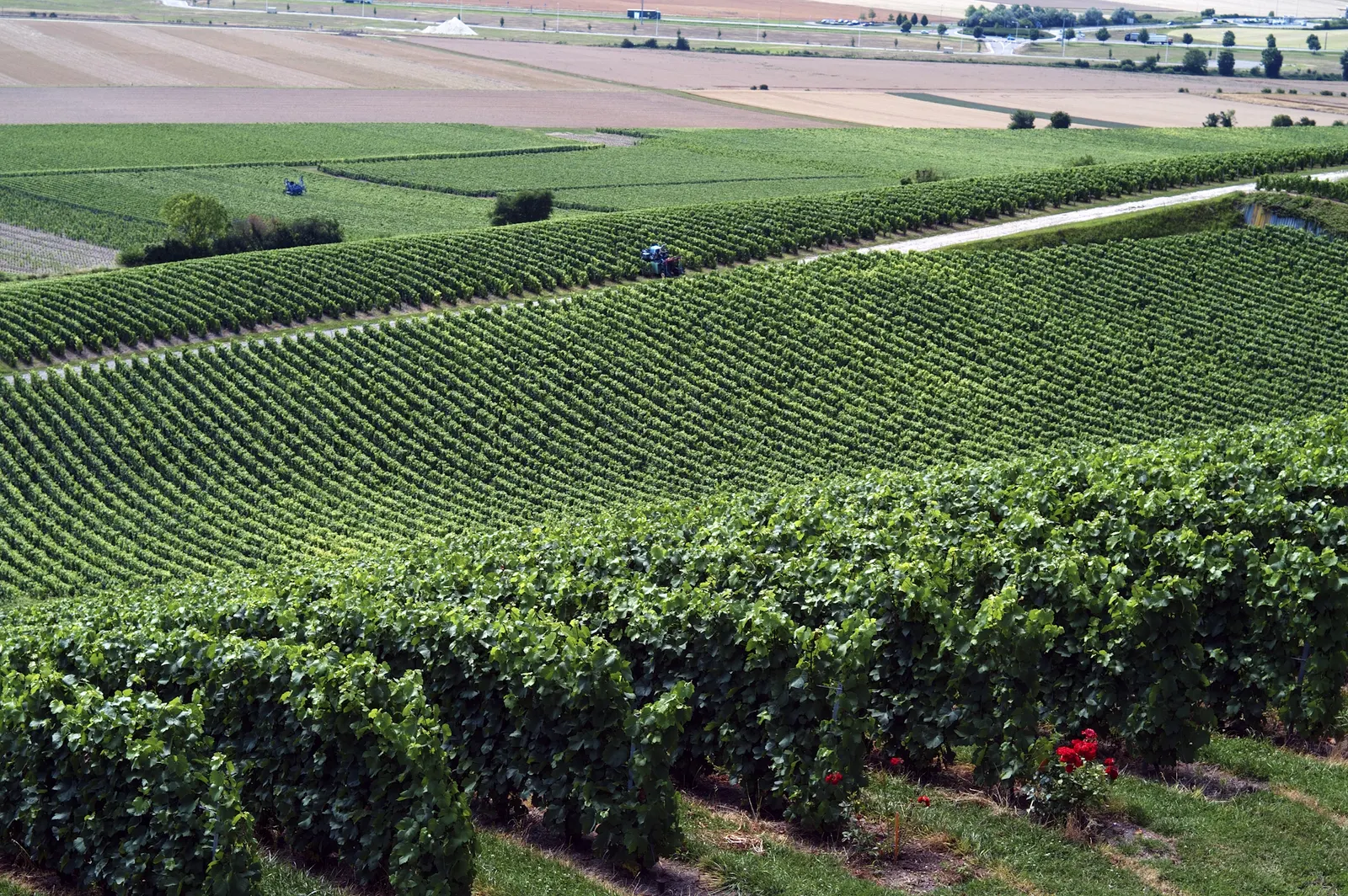
Green vineyards in the Côte des Blancs rolling toward a wooded hill near Cramant under a pale cloudy sky

Wine area

Côte des Blancs

The Côte des Blancs is the chardonnay slope south of Épernay in Champagne. Chardonnay covers 97% of its vineyard, and…

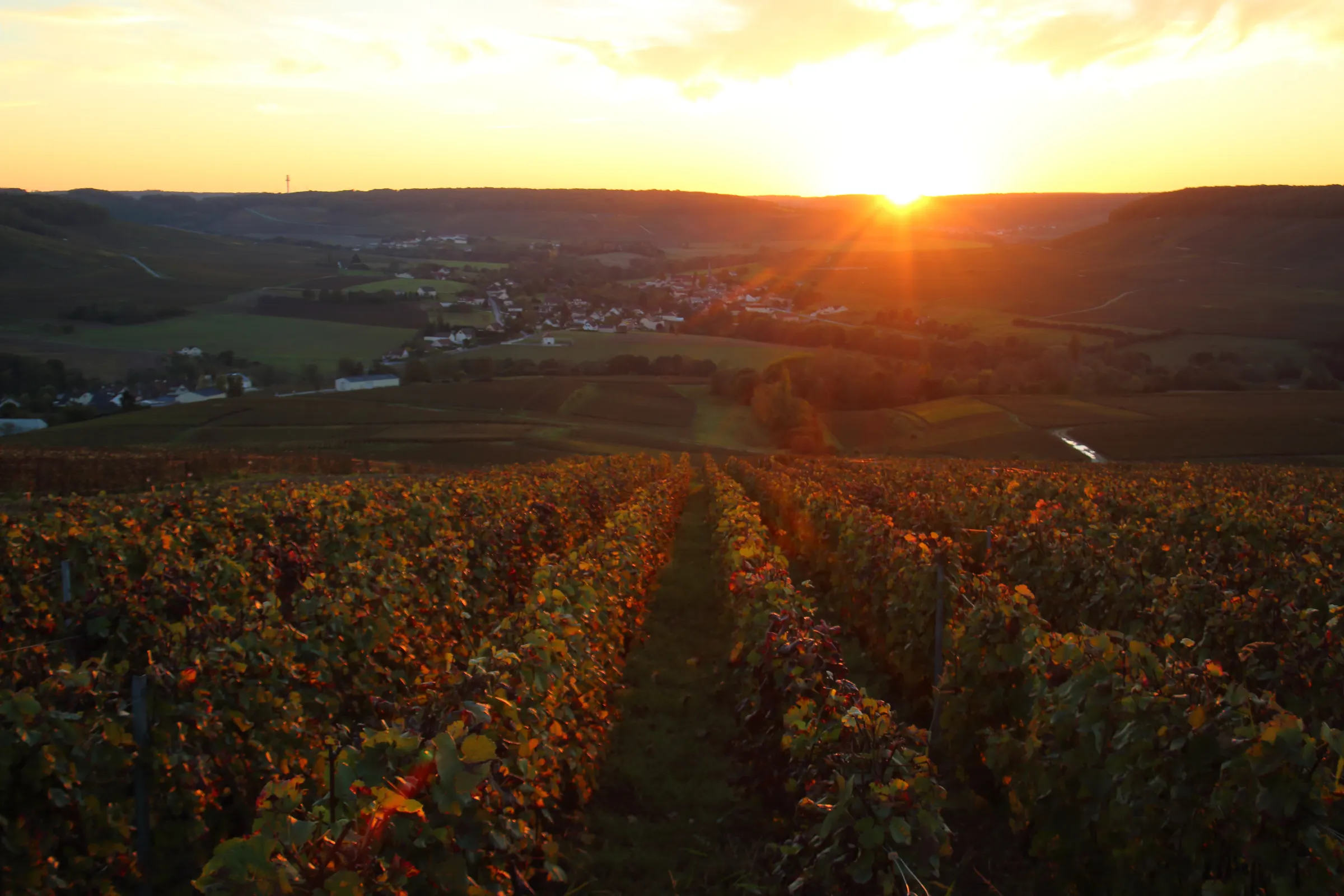
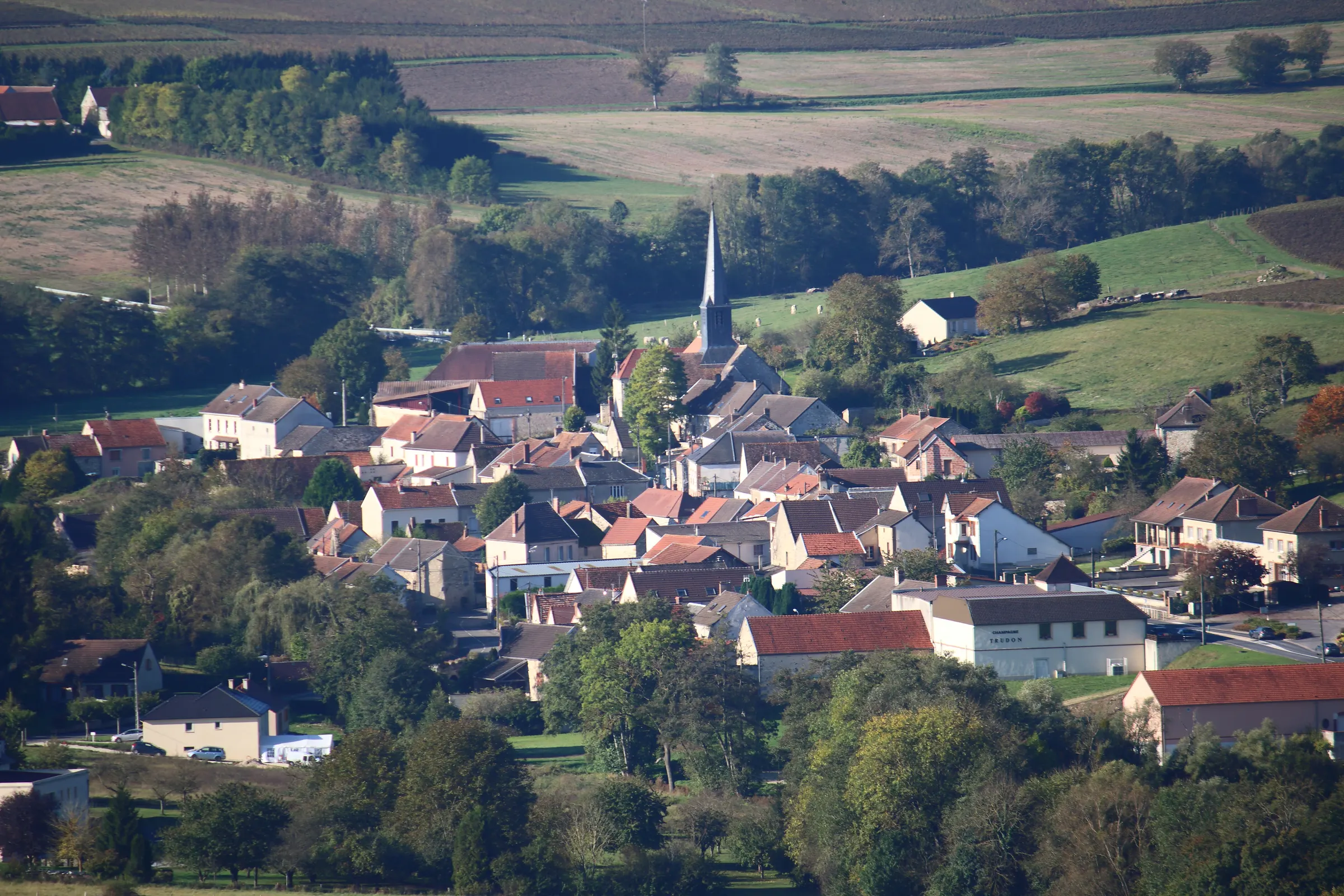
Sunset over autumn vine rows with a small village in the valley below and hills on the horizon.

Wine area

Côte de Sézanne

The Côte de Sézanne is a chardonnay-led vineyard south of Épernay, on the western edge of Champagne. All 12 of its…

Autumn vine rows leading down to a village among Champagne vineyard hills under a pale blue sky

Wine area

Côte des Bar

The Côte des Bar is the southern arc of Champagne, south-east of Troyes, where pinot noir covers most of the vineyard.…

Where to stay

All places to stay
Where to stay by town
TownHotelsFrom a nightTiers
Reims9—Mid-range, Luxury
Épernay4—Budget, Mid-range
Châlons-en-Champagne1—Mid-range
Troyes2—Luxury, Mid-range

When to go

When to visit Champagne
MonthVisiting
JanuaryQuieter
FebruaryQuieter
MarchQuieter
AprilQuieter
MayBest time
JuneBest time
JulyQuieter
AugustQuieter
SeptemberBest time
OctoberQuieter
NovemberQuieter
DecemberQuieter

Getting there

By TGV from Paris
45 min (Paris Est to Reims)
Nearest airport
Paris-Charles de Gaulle (CDG)
Getting to Champagne: the full guide

Champagne guides

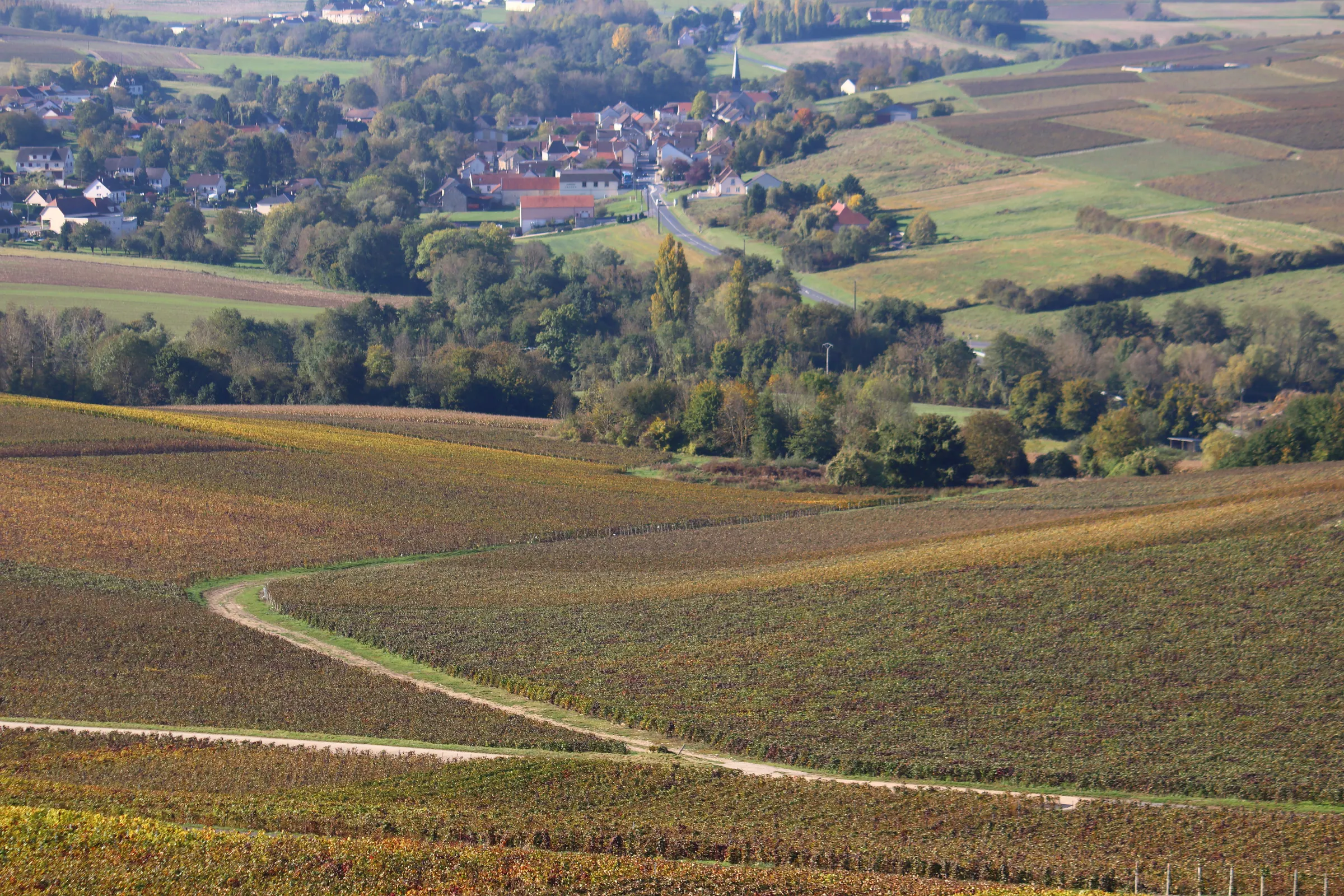
Autumn-coloured Champagne vineyards with a winding track leading toward a village among trees

Plan your trip

Paris to Épernay by Train: Times, Fares and Changes

Direct trains from Paris Gare de l'Est reach Épernay in 1 hour 20 minutes, and the other route changes at Reims. Fares start at €11 ($12), and the last train back to Paris leaves Épernay at 7:49 p.m.

Frequently asked questions

When is the best time to visit Champagne?

May, June, September are the best months to visit.

How do I get to Champagne?

By TGV from Paris: 45 min (Paris Est to Reims). The nearest airport is Paris-Charles de Gaulle (CDG).

Which grape is Champagne known for?

Champagne is best known for Pinot Noir.

Which town is the best base in Champagne?

This guide covers Reims, Épernay, Hautvillers, Aÿ, Châlons-en-Champagne, Troyes. Each town page lists where to stay and which estates to visit.

Last updated

Keep exploring

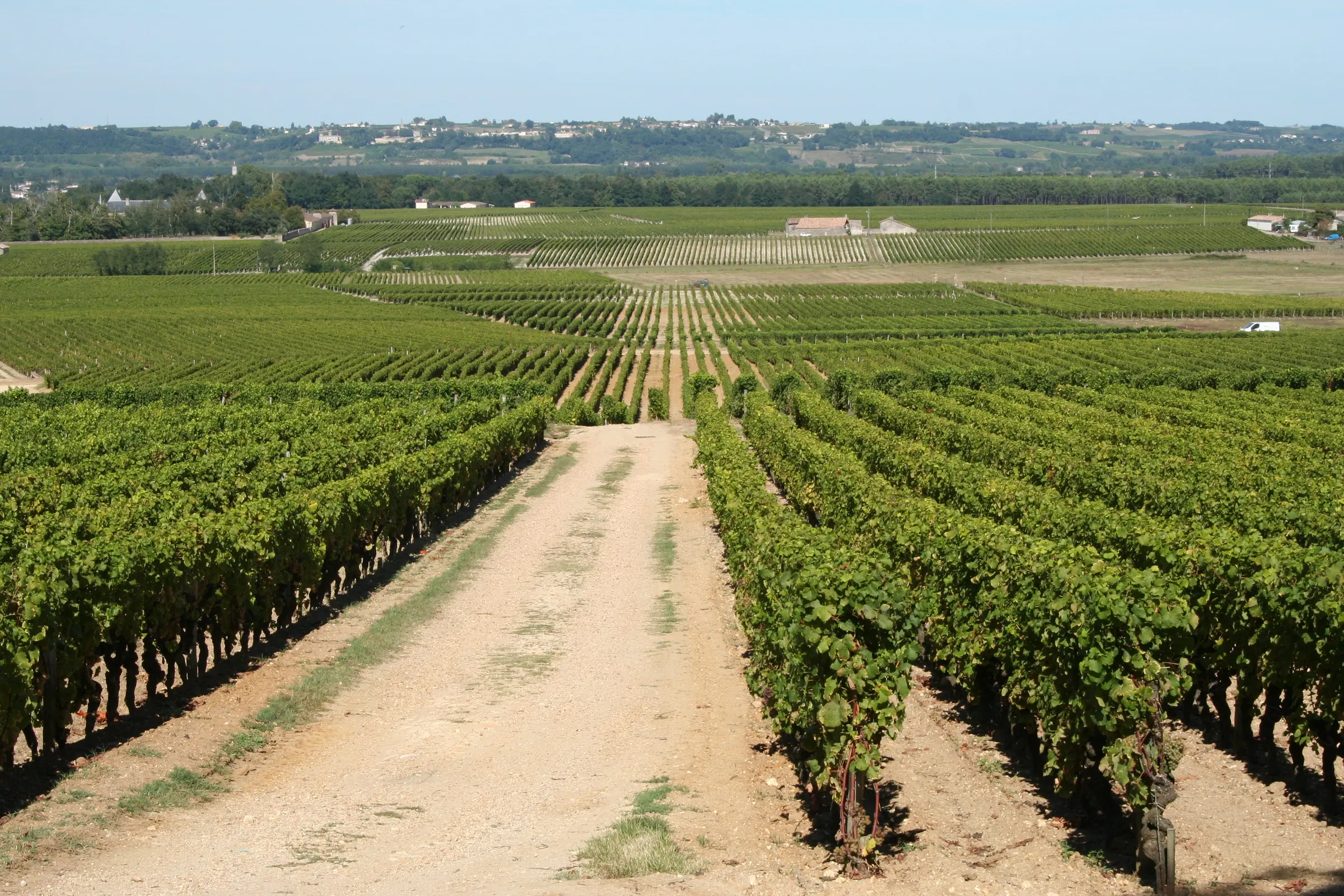
Dirt track running between vine rows across the Sauternes vineyards near Château d'Yquem

Wine region

Bordeaux

Bordeaux blends merlot and the two cabernets into its reds, and you visit its châteaux by booking, from the Médoc to Saint-Émilion.

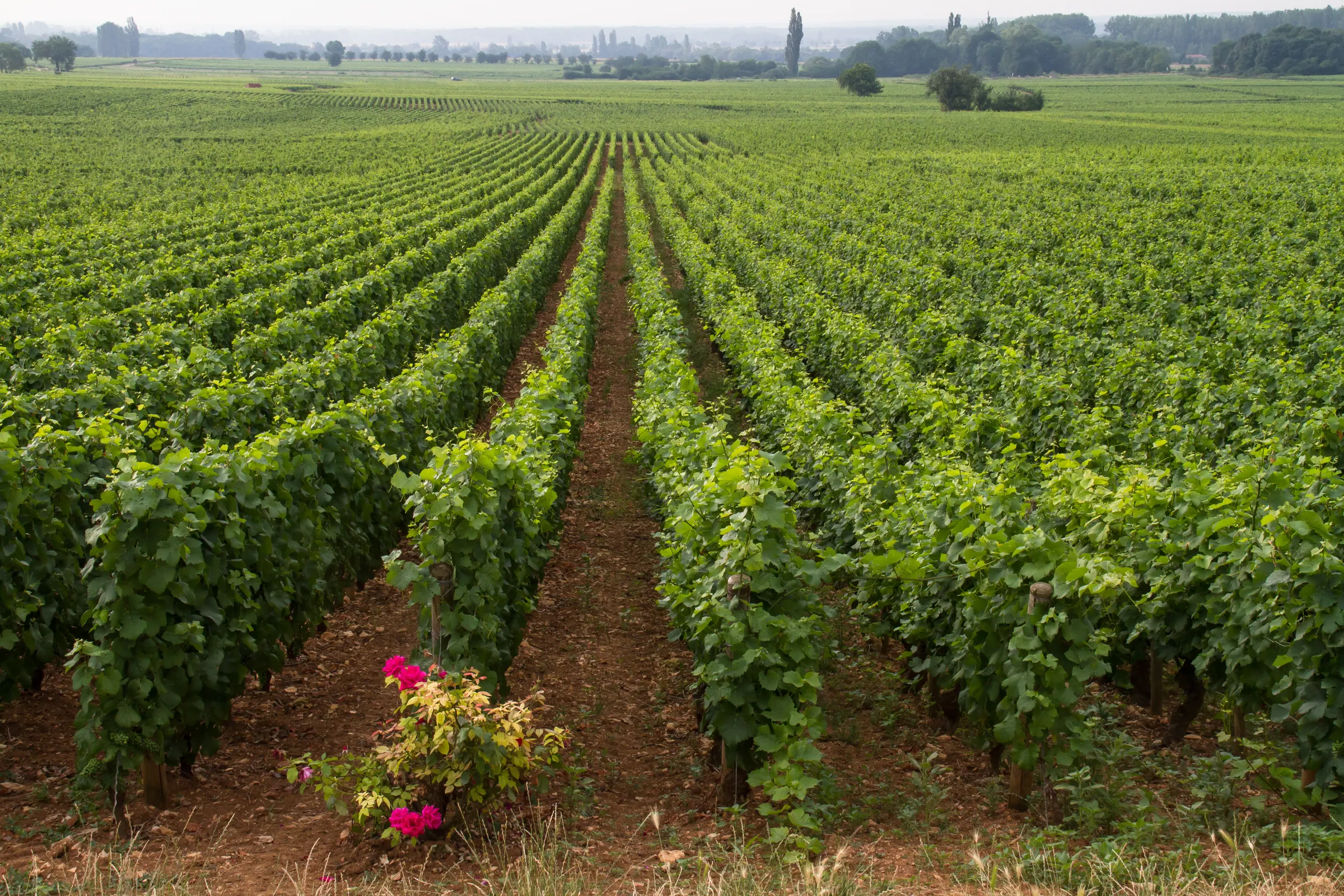
Rows of green vines converge toward a hazy horizon near Beaune, with pink flowers in the foreground

Bourgogne

Burgundy

Burgundy is chardonnay and pinot noir country, where wines are named after the village and the plot, and most tastings are booked ahead.

Plan your Champagne trip